What is the standard reference range for normal blood glucose levels?
May 22, 2022
Source: Cainiu Health

Dr. Pan Yongyuan
Introduction
Normal blood glucose levels refer to fasting blood glucose levels of 3.9–6.1 mmol/L. Blood glucose levels serve as an important reference for both disease treatment and monitoring, holding significant clinical guidance value. A fasting blood glucose level exceeding 11.1 mmol/L indicates severely diminished insulin secretion by the pancreas, signifying that diabetes has progressed to a very advanced and severe stage.
An increasing number of elderly individuals are now being diagnosed with chronic diseases, many of whom have diabetes. Yet, numerous people remain unaware of the standard reference range for normal blood glucose levels. So, what exactly is the standard range for normal blood glucose?
What Is the Standard Range for Normal Blood Glucose?
Normal blood glucose levels refer to a fasting plasma glucose concentration of 3.9–6.1 mmol/L. Blood glucose measurements serve as critical benchmarks both for disease management and clinical monitoring, carrying substantial diagnostic and therapeutic significance. A fasting blood glucose level exceeding 11.1 mmol/L indicates severely diminished insulin secretion. At this point, diabetes has typically progressed to an advanced stage. If an individual’s measured fasting blood glucose exceeds 6.1 mmol/L, it is considered elevated—i.e., indicative of hyperglycemia. When two consecutive blood glucose tests yield values above the normal range, diabetes can be provisionally diagnosed. In such cases, pharmacological intervention to lower blood glucose is essential.
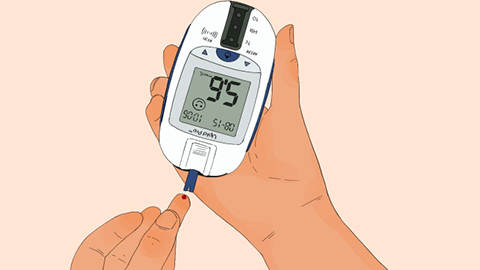
If a patient’s fasting blood glucose measures 5.6 mmol/L, further evaluation via an oral glucose tolerance test (OGTT) is recommended for definitive diagnosis. A fasting glucose level above 11.1 mmol/L strongly suggests markedly reduced insulin secretion and signifies advanced diabetes; in such instances, no additional testing is required for diagnosis. Factors that may cause acute fluctuations in blood glucose include irregular meal timing, sudden reduction in carbohydrate intake, delayed meals following insulin injection or oral sulfonylurea administration, excessive alcohol consumption, abrupt increases in physical activity—particularly when prolonged into the peak insulin action period—as well as bathing on an empty stomach. During peak insulin action, excessive physical exertion should be avoided to prevent hypoglycemia.

In daily life, if your self-monitored blood glucose falls outside the normal range—either above or below—prompt medical consultation and treatment are advised. We hope this article has been helpful. Wishing you a joyful life and optimal health!