


What is the normal human blood pressure in pascals (Pa)?
May 22, 2022
Source: Cainiu Health

Dr. Li Man
Introduction
Blood Pressure: The pressure exerted by circulating blood against the inner walls of blood vessels. In a resting state, normal adult blood pressure typically ranges from 90–120 mmHg (systolic) over 60–90 mmHg (diastolic). Blood pressure is considered hypertensive when the systolic pressure exceeds 120 mmHg and/or the diastolic pressure exceeds 90 mmHg. Systolic pressure above 120 mmHg and diastolic pressure above 90 mmHg may indicate hypertension.
Blood pressure refers to the pressure exerted by circulating blood against the inner walls of blood vessels. What is the approximate normal blood pressure value in pascals (Pa)?
What is the approximate normal blood pressure value in pascals (Pa)?
Blood pressure is the pressure exerted by blood against the inner walls of blood vessels. In a resting state, the typical blood pressure for healthy adults is 90–120 mmHg for systolic pressure (the “upper” number) and 60–90 mmHg for diastolic pressure (the “lower” number). Systolic pressure exceeding 120 mmHg or diastolic pressure exceeding 90 mmHg may indicate hypertension. Conversely, systolic pressure below 90 mmHg or diastolic pressure below 60 mmHg may indicate hypotension.
A patient’s blood pressure is considered normal if it falls within the standard reference range. This applies universally—regardless of gender, age, or whether the individual is elderly or young. Blood pressure readings at or above 140/90 mmHg are classified as hypertension; readings at or below 90/60 mmHg are classified as hypotension. If you experience discomfort or symptoms related to abnormal blood pressure, seek medical attention promptly—do not attempt self-treatment.
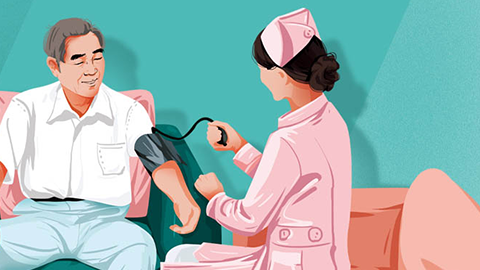
In daily life, maintaining blood pressure within the normal range is essential for overall health. Both hypertension and hypotension can adversely affect bodily functions. For hypertension, pharmacological treatment is generally recommended under medical supervision. For hypotension, hospital evaluation—including blood tests to assess for anemia—is advised. Additionally, ensure adequate rest, avoid staying up late, maintain a balanced diet, and refrain from consuming spicy, overly hot, or highly stimulating foods. We hope this article has been helpful. Wishing you a joyful life and good health!


