


Can tophi be eliminated?
May 23, 2022
Source: Cainiu Health

Dr. Pan Yongyuan
Introduction
Tophi can be resolved. In fact, tophi are formed by the deposition of monosodium urate crystals in connective tissue and represent a characteristic clinical manifestation of gout. They commonly occur in the helix of the ear, toes, interphalangeal joints, and metacarpophalangeal joints—predominantly affecting distal joints. Clinical features include joint swelling, stiffness, deformity, and fibrosis or degeneration of surrounding tissues. In severe cases, the overlying skin may become cold, ulcerate, or undergo structural deformation.
Tophi—also known as tophus nodules—are caused by inadequate or irregular treatment of gout and are typically tender upon palpation. Can tophi be eliminated?
Can Tophi Be Eliminated?
Yes, tophi can be eliminated. They form when monosodium urate crystals deposit in connective tissues and represent a characteristic clinical manifestation of chronic gout. Tophi commonly occur in the helix of the ear, toes, interphalangeal joints, and metacarpophalangeal joints. They predominantly affect peripheral (distal) joints and present with joint swelling, stiffness, deformity, and surrounding tissue fibrosis and degeneration. In severe cases, the overlying skin may become thin, ulcerated, and deformed.
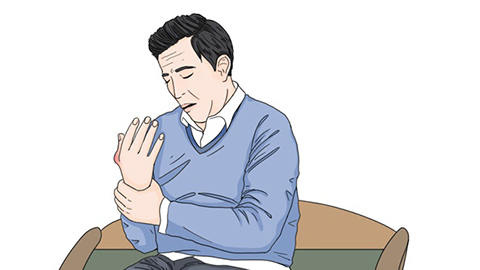
However, if tophi have been present for a prolonged period or if complications exist—especially when serum uric acid levels cannot be consistently maintained at the target therapeutic range—their resolution becomes significantly more difficult. These white deposits consist of monosodium urate crystals, resembling chalk-like material; thus, they are neither infectious nor contagious. When sinus tracts (fistulas) develop, the surrounding tissue often exhibits chronic granulomatous inflammation, which impedes healing—though secondary infection is uncommon. Smaller and less severe tophi can generally be resolved with appropriate, standardized treatment. For instance, long-term use (≥5 years) of febuxostat has been shown to dissolve tophi in over 69% of patients; therefore, sustained, consistent treatment is essential.

The medications mentioned above are for reference only. Specific drug selection and dosing must be determined under the guidance of a qualified physician. Additionally, individuals experiencing symptoms should seek prompt medical evaluation and follow evidence-based management strategies as advised by their healthcare provider. We hope this information is helpful to you!




