Can people with gout eat green bell peppers?
May 23, 2022
Source: Cainiu Health

Dr. Pan Yongyuan
Introduction
People with gout can eat green bell peppers. Green bell peppers contain protein, beta-carotene, vitamin C, carbohydrates, fatty oils, red pigments, capsaicin, volatile oils, calcium, phosphorus, iron, and other nutrients. Although green bell peppers are low in purines, excessively spicy varieties may stimulate the autonomic nervous system and potentially trigger gout attacks. Therefore, individuals with gout should choose mild or non-spicy green bell peppers when preparing or selecting this dish.
Patients with gout suffer from joint pain; a balanced diet can aid recovery and promote nutrient absorption. However, if patients lack appetite, forced or inappropriate dietary intake may adversely affect disease progression. So, can individuals with gout eat green bell peppers?
Can individuals with gout eat green bell peppers?
Yes, individuals with gout may consume green bell peppers. Bell peppers contain protein, beta-carotene, fatty oils, red pigments, capsaicin, volatile oils, calcium, iron, and other nutrients. Although bell peppers are low in purines, overly spicy varieties may stimulate the autonomic nervous system and potentially trigger gout attacks. Therefore, gout patients should avoid excessively spicy green bell peppers to prevent symptom flare-ups. When preparing green bell peppers, the seeds and white membranes (which contain higher concentrations of capsaicin) should be removed. Additionally, alcohol consumption should be avoided, as it promotes lactic acid accumulation and inhibits uric acid excretion—both of which increase the risk of gout attacks. Furthermore, medications that suppress uric acid excretion should also be avoided.
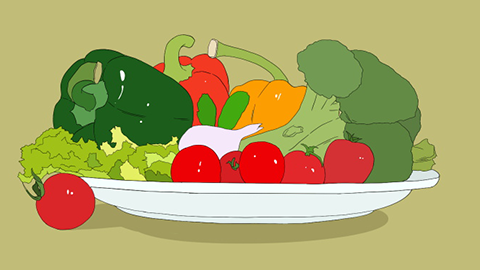
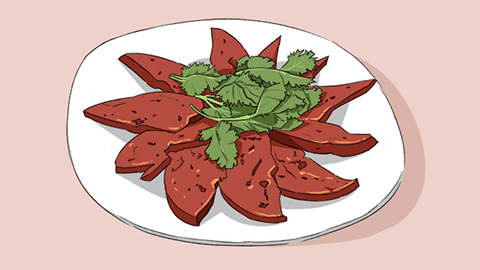
Individuals with gout must avoid high-purine foods, such as organ meats, bone marrow, seafood, fermented foods, and legumes. Alcohol must also be strictly avoided, as it contributes to lactic acid buildup and impairs uric acid excretion—thereby increasing gout risk. Moreover, medications that inhibit uric acid excretion should be avoided. Additionally, highly acidic foods—such as vinegar, waxberries, pickled vegetables, and soy sauce—can elevate uric acid salt levels and exacerbate gout symptoms; thus, their intake should be limited.
A healthy diet emphasizes high-fiber foods, as dietary fiber helps the body absorb and eliminate excess fats. We hope this information is helpful! Wishing you good health and a joyful life!