


What is the normal range for postprandial blood glucose?
May 23, 2022
Source: Cainiu Health

Dr. Pan Yongyuan
Introduction
Normal 2-hour postprandial blood glucose is less than 7.8 mmol/L; a 2-hour postprandial blood glucose level ≥11.1 mmol/L indicates diabetes. If the 2-hour postprandial blood glucose exceeds 11.1 mmol/L, chronic diabetic complications—such as retinopathy, nephropathy, and neuropathy—are more likely to develop. Therefore, it is advisable to maintain 2-hour postprandial blood glucose below 11.1 mmol/L whenever possible.
In daily life, the number of people with hyperglycemia is increasing, largely because many individuals neglect self-care in areas such as diet, physical activity, and rest—making them highly susceptible to elevated blood glucose levels. After noticing elevated blood sugar, many people monitor their glucose values regularly to track fluctuations and develop appropriate lifestyle plans. So, what is the normal postprandial (after-meal) blood glucose range?
What Is the Normal Postprandial Blood Glucose Range?
A normal 2-hour postprandial blood glucose level is less than 7.8 mmol/L. A value of ≥11.1 mmol/L at the 2-hour mark after a meal indicates diabetes. Persistently elevated 2-hour postprandial glucose levels above 11.1 mmol/L significantly increase the risk of chronic diabetic complications—including retinopathy, nephropathy, and neuropathy. Therefore, it is advisable to maintain 2-hour postprandial glucose below 11.1 mmol/L whenever possible. Fasting blood glucose between 6.1 and 7.0 mmol/L is classified as impaired fasting glucose (IFG). If fasting glucose is normal but the 2-hour postprandial value falls between 7.8 and 11.1 mmol/L, this is termed impaired glucose tolerance (IGT).
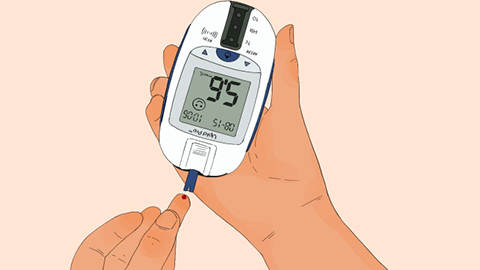
Important considerations: Avoid excessive intake of high-sugar and high-fat foods; instead, adopt a balanced, nutritious diet. To prevent obesity, engage in regular physical activity, maintain a healthy body weight, and improve insulin sensitivity. When blood glucose is elevated, avoid high-risk activities such as heavy weightlifting or other strenuous physical labor.

Once diagnosed with diabetes, follow your physician’s prescribed treatment regimen diligently and perform regular self-monitoring of blood glucose. Schedule periodic hospital visits for follow-up assessments and medication review. We hope this information is helpful to you! Wishing you good health and a joyful life!






