What is the normal range for systolic blood pressure?
May 23, 2022
Source: Cainiu Health

Dr. Li Man
Introduction
The normal range for systolic blood pressure is 90–140 mmHg, but the ideal systolic blood pressure is 120 mmHg. Variations in systolic and diastolic blood pressure values are related to the elasticity of blood vessels within the body and directly influence blood pressure readings. Hypertension is defined as a systolic blood pressure ≥140 mmHg and/or a diastolic blood pressure ≥90 mmHg.
As symptoms of hypertension become increasingly prominent and widespread in daily life, more people have become aware that blood pressure comprises two components: systolic pressure (the “upper” number) and diastolic pressure (the “lower” number). So, what is the normal range for systolic pressure?
What Is the Normal Range for Systolic Pressure?
The normal range for systolic pressure is 90–140 mmHg; however, an ideal systolic pressure is approximately 120 mmHg. Variations in both systolic and diastolic pressures are closely related to the elasticity of blood vessels within the body and directly influence overall blood pressure readings. Hypertension is defined as a systolic pressure ≥140 mmHg and/or a diastolic pressure ≥90 mmHg. Diagnosis of hypertension primarily relies on measuring blood pressure on three separate occasions—using either a sphygmomanometer (mercury or aneroid) or an electronic blood pressure monitor—on different days. If all three measurements meet the diagnostic criteria for hypertension, the individual is classified as having hypertension.

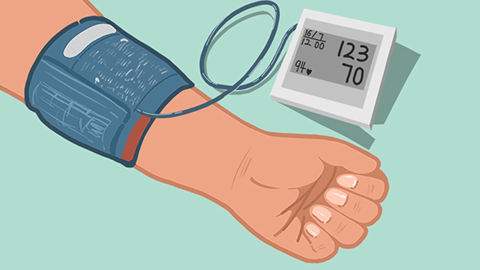
However, blood pressure naturally fluctuates throughout the day, exhibiting peaks and troughs. Numerous factors can affect blood pressure, including physical activity, fatigue, diet, alcohol consumption, and emotional stress—all of which may cause transient fluctuations. Therefore, when measuring blood pressure, it is essential to remain calm and relaxed, avoid vigorous exercise, refrain from eating, smoking, or drinking alcohol beforehand, and use an appropriately calibrated blood pressure monitor with correct technique.
Individuals diagnosed with hypertension are advised to maintain regular daily routines, follow a low-salt, low-fat diet, engage in appropriate physical exercise, manage stress effectively, and, when necessary, take prescribed antihypertensive medications. We hope this information proves helpful! Wishing you excellent health and happiness!