


What to Do for Acute Gout
May 24, 2022
Source: Cainiu Health

Dr. Pan Yongyuan
Introduction
During an acute gout attack, patients should rest in bed, elevate the affected limb, apply local cold compresses, and initiate medication as early as possible to control the acute episode—the earlier the treatment begins, the better the outcome. First-line pharmacological treatments for acute gouty arthritis currently include colchicine and nonsteroidal anti-inflammatory drugs (NSAIDs). However, the use of colchicine is now limited due to its high incidence of adverse effects, including nausea, vomiting, abdominal pain, and gastrointestinal diarrhea.
Acute gouty arthritis is a form of gout. During an acute gouty arthritis attack, patients experience severe joint pain. So, what should be done for acute gout?
Management of Acute Gout
During an acute gout attack, patients should rest in bed, elevate the affected limb, apply local cold compresses, and initiate pharmacological treatment as early as possible to control the acute flare. Earlier treatment yields better outcomes. First-line medications for acute gouty arthritis currently include colchicine and glucocorticoids.
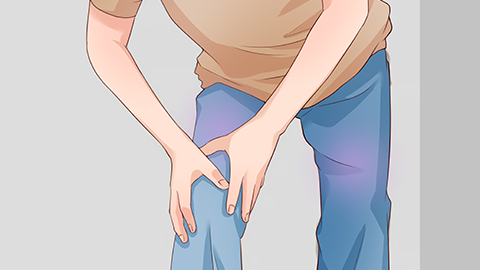
Colchicine use is now restricted primarily due to its frequent adverse effects, including nausea, vomiting, abdominal pain, gastrointestinal diarrhea, hepatotoxicity, nephrotoxicity, and bone marrow suppression. The incidence and severity of these adverse effects increase with higher doses; if they occur, colchicine must be discontinued immediately. Nonsteroidal anti-inflammatory drugs (NSAIDs) include both nonselective cyclooxygenase (COX) inhibitors and selective COX-2 inhibitors. Diclofenac, a commonly used nonselective COX inhibitor, predominantly causes gastrointestinal adverse effects. In patients with a history of gastrointestinal complications—such as ulcers or bleeding—or preexisting gastrointestinal disease, selective COX-2 inhibitors are preferred.
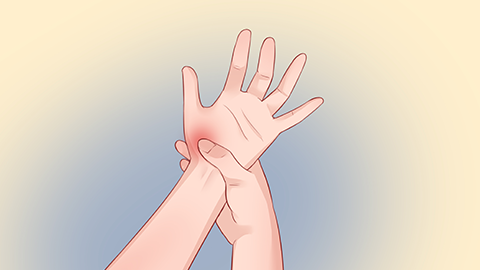
If neither colchicine nor NSAIDs provide adequate symptom relief—or if systemic symptoms are present—low-dose oral or intravenous glucocorticoid therapy may be employed. When large joints are involved and systemic inflammation remains inadequately controlled, intra-articular injection of short-acting glucocorticoids may be considered; however, repeated injections should be avoided. We hope this information proves helpful to you.




