What genetic disorder is PKU?
May 25, 2022
Source: Cainiu Health

Dr. Yang Jun
Introduction
Phenylketonuria (PKU) is an autosomal recessive genetic disorder caused by enzyme deficiencies in the phenylalanine metabolic pathway. Affected infants typically appear normal at birth, but symptoms usually emerge between 3 and 6 months of age and become more apparent by approximately one year of age. Clinical manifestations commonly include intellectual disability, hypopigmentation of the skin and hair, and reduced iris pigment.
Phenylketonuria (PKU) is one of the more common inherited disorders. So, what type of genetic disorder is PKU?
What Kind of Genetic Disorder Is PKU?
PKU, also known as phenylketonuria, is an autosomal recessive genetic disorder caused by a deficiency of the enzyme involved in the phenylalanine metabolic pathway. Affected infants typically appear normal at birth, but symptoms usually emerge between 3–6 months of age and become more pronounced by approximately one year of age. Clinical manifestations commonly include intellectual disability, hypopigmentation of skin and hair, reduced iris pigment, and a distinctive “mousy” odor in urine and sweat—due to elevated levels of phenylacetic acid in these bodily fluids. PKU is among the few treatable inherited metabolic disorders. Early diagnosis and prompt treatment are essential to prevent irreversible neurological damage.
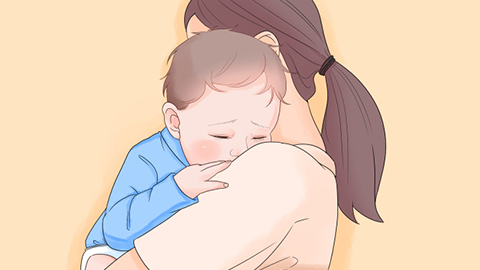
PKU results from abnormal gene development. Dietary management is recommended for affected individuals. Because each child’s tolerance to phenylalanine varies, dietary regimens must be individually tailored. Low-phenylalanine formula should be continued for at least until age 12. Adult women with PKU should resume strict dietary control prior to conception and maintain it throughout pregnancy to prevent maternal hyperphenylalaninemia from adversely affecting fetal development.

If this condition is suspected, prompt medical evaluation and treatment are crucial—never underestimate its seriousness. All parents should closely monitor their child’s growth and development. We hope this article has been helpful to you!