


Efficacy of Levofloxacin Hydrochloride Tablets
May 25, 2022
Source: Cainiu Health

Dr. Jiang Weimin
Introduction
Levofloxacin hydrochloride is a quinolone-class antibacterial agent. Its primary indications include bacterial infections, abdominal pain, vomiting, and diarrhea. Given that unhygienic dietary habits and other factors may disrupt the intestinal microbiota, physicians may recommend levofloxacin for such conditions. During treatment, patients should drink ample fluids to prevent dehydration caused by diarrhea; intravenous fluid replacement and rehydration therapy may be required if necessary.
Levofloxacin Hydrochloride Tablets are a commonly used anti-inflammatory medication in daily life. So, what is the therapeutic efficacy of Levofloxacin Hydrochloride Tablets?
Therapeutic Efficacy of Levofloxacin Hydrochloride Tablets
Levofloxacin Hydrochloride Tablets primarily target infections caused by Escherichia coli and other urinary tract pathogens. If symptoms such as vomiting and diarrhea are present, it is advisable to take medications for indigestion instead, since levofloxacin hydrochloride is an antibiotic and may offer limited benefit in such cases. It may be used in combination with other appropriate medications.
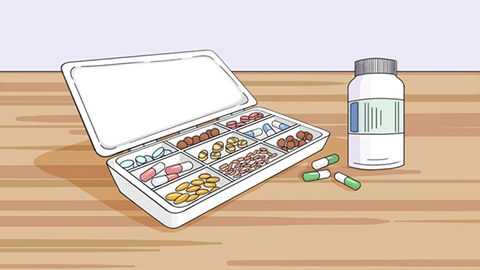
Levofloxacin hydrochloride belongs to the quinolone class of antimicrobial agents. Its primary indications include bacterial infections, gastric pain, vomiting, and diarrhea. Physicians may recommend levofloxacin when gastrointestinal dysbiosis—often resulting from unhygienic food intake—is suspected as the underlying cause. During treatment, patients should drink ample fluids to prevent dehydration secondary to diarrhea; intravenous fluid replacement may be necessary if dehydration becomes severe.
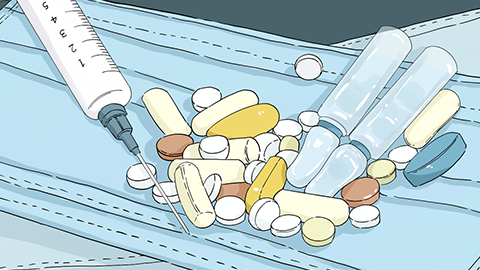
It can treat bacterial infections triggered by inflammatory responses. Patients should undergo regular hospital visits for clinical evaluation, including white blood cell (WBC) count testing. An elevated WBC count typically warrants a course of treatment. Close monitoring of clinical response is essential, and dosage adjustments may be needed based on observed outcomes. Dietary modifications are also important: meals should be light and easily digestible; increased intake of fresh vegetables, fruits, and protein-rich foods is recommended to support nutritional needs and recovery. We hope this information is helpful to you!








