Normal range of systolic blood pressure
May 25, 2022
Source: Cainiu Health

Dr. Tian Hongbo
Introduction
Systolic blood pressure is the pressure exerted by blood against the arterial walls during cardiac contraction. Its normal range is typically 90–139 mmHg. Maintaining systolic blood pressure within this normal range supports overall health; persistently elevated systolic blood pressure may lead to hypertension, placing increased strain on vital organs such as the heart, brain, and kidneys, and raising the risk of cardiovascular and cerebrovascular diseases.
The normal range for systolic blood pressure is generally 90–139 mmHg.
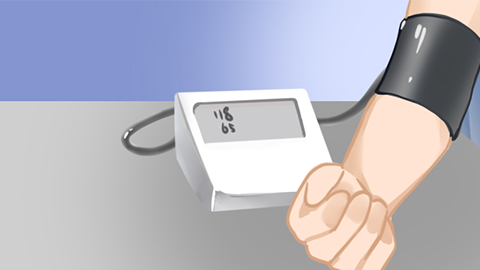
Systolic blood pressure refers to the pressure exerted by circulating blood against the arterial walls during ventricular contraction (systole). Its normal range is typically 90–139 mmHg. Maintaining systolic blood pressure within this normal range supports overall health; persistently elevated systolic pressure may lead to hypertension, increasing the workload on vital organs—including the heart, brain, and kidneys—and raising the risk of cardiovascular and cerebrovascular diseases.
Blood pressure is influenced by multiple factors, with age being one key determinant. As individuals age, arterial elasticity gradually declines, potentially causing a modest rise in systolic pressure—though the general normal range remains unchanged. Emotional states also affect systolic pressure: for instance, stress or excitement can accelerate heart rate and induce vasoconstriction, resulting in transient elevation of systolic pressure. Such physiologically induced, short-term increases usually resolve spontaneously within minutes. In contrast, sustained elevations due to essential hypertension require long-term medical management and lifestyle modification.
In daily life, cultivating healthy habits is essential—ensuring adequate sleep, avoiding late-night activities, maintaining a positive mood, and minimizing anxiety, frustration, and other negative emotions—all contribute significantly to cardiovascular and overall well-being.