


What Causes Acute Testicular Torsion?
May 25, 2022
Source: Cainiu Health

Dr. Li Mingchuan
Introduction
Acute testicular torsion is a medical emergency, typically presenting with sudden, severe pain in one testicle. Physical examination reveals swelling of the affected testicle and a transverse (horizontal) orientation of the testis. The pain arises abruptly, often following physical activity, and may be accompanied by gastrointestinal symptoms such as abdominal pain and vomiting. Color Doppler ultrasound can confirm the diagnosis. The optimal treatment is early reduction, which can be achieved either surgically or manually.
Acute testicular torsion is extremely painful and poses a serious threat to male health, requiring prompt medical intervention. What, then, causes acute testicular torsion?
Causes of Acute Testicular Torsion
The etiology of testicular torsion is complex and includes the following factors:
1. Temperature changes: Sudden or extreme temperature fluctuations may trigger spasm of the smooth muscle in the spermatic cord. Such spasms predispose the spermatic cord—and subsequently the testicle—to twisting.
2. Genitourinary infections: Conditions such as epididymitis, orchitis, or epididymo-orchitis—if inadequately treated or poorly controlled—may increase the risk of spontaneous or unexplained torsion of the spermatic cord.
3. Trauma or blunt force injury: In some cases, direct trauma to the scrotum (e.g., kicks or impact injuries) elicits a reflexive withdrawal response of the testicle. Under neural control of the spermatic cord’s smooth muscle, this reflex may provoke sudden, intense spasm—leading to torsion.
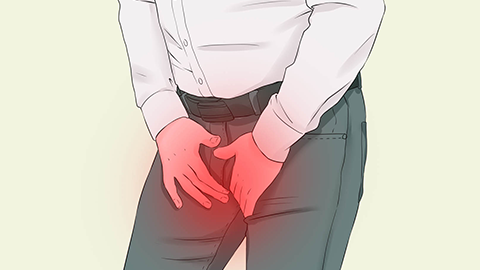
Acute testicular torsion is a true urological emergency. Typical presentation includes sudden, severe unilateral testicular pain, accompanied by swelling and transverse positioning of the affected testicle. Pain often arises abruptly during physical activity and may be associated with abdominal pain, nausea, and vomiting. Color Doppler ultrasound is the diagnostic modality of choice. Early reduction—either surgical or manual—is the optimal treatment strategy.
Regardless of the underlying cause, immediate medical evaluation and emergency management are essential upon suspicion of torsion. Surgical detorsion—ideally performed within 8 hours of symptom onset—is recommended to maximize the chance of preserving testicular viability and function. However, if torsion persists beyond 8 hours, irreversible ischemic damage often renders testicular salvage impossible, necessitating orchiectomy. We hope this information has been helpful. Wishing you good health and well-being!


