


Causes of Acute Testicular Torsion
Jun 06, 2022
Source: Cainiu Health
Dr. Li Mingchuan
Introduction
Acute testicular torsion is caused by external trauma, vigorous physical activity, or chills due to colds. Testicular torsion is one of the most common scrotal emergencies in adolescents and results from twisting of the spermatic cord—the structure that supports the testis. Following torsion, patients typically experience severe pain and marked swelling of the testicle. If these symptoms occur, prompt medical evaluation—including a scrotal color Doppler ultrasound—is essential.
Some individuals experience acute testicular torsion in daily life, causing significant disruption to their daily activities and studies, as well as imposing substantial psychological stress. So, what causes acute testicular torsion?
Causes of Acute Testicular Torsion
Acute testicular torsion is typically triggered by external trauma, vigorous physical activity, or shivering due to cold exposure (e.g., during a cold). It is one of the most common acute scrotal emergencies among adolescents and results from twisting of the spermatic cord—the structure that supports and supplies blood to the testicle. Following torsion, patients usually experience severe pain and noticeable swelling in the affected testicular region. If these symptoms occur, prompt medical evaluation—including a scrotal ultrasound—is essential. Once diagnosed, immediate surgical detorsion (repositioning) is required.
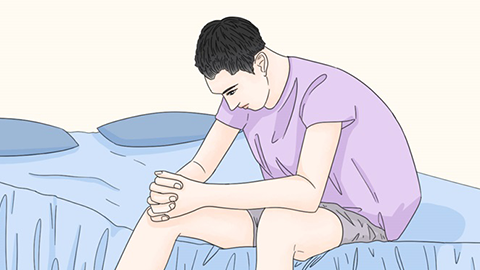
Prolonged delay in treatment may lead to prolonged ischemia and subsequent testicular necrosis. In such cases, orchiectomy (surgical removal of the affected testicle) becomes necessary. Notably, frequent consumption of seafood may exert a stimulatory effect on normal male reproductive function. Moreover, seafood is not conducive to spermatogenesis; therefore, intake should be moderated, with emphasis on a light, balanced diet and avoidance of shellfish such as shrimp and crab.

Additionally, individuals experiencing symptoms should seek timely medical evaluation and follow their physician’s recommendations for appropriate management. We hope this information is helpful. Wishing you good health! During recovery, avoid consuming beef, mutton, and other “warming” foods, as they may accelerate local blood circulation in the scrotal region and impede recovery from testicular torsion. Wishing you a joyful and healthy life!


