How many days does acute gout typically take to resolve?
May 26, 2022
Source: Cainiu Health

Dr. Pan Yongyuan
Introduction
Gout is a group of metabolic disorders caused by chronically elevated serum uric acid levels. Common clinical manifestations include recurrent gouty arthritis and gouty nephropathy. Moreover, persistent hyperuricemia can adversely affect cardiovascular and cerebrovascular health as well as glucose metabolism. Gouty arthritis is one of the most common clinical presentations, typically characterized by the sudden onset of redness, swelling, warmth, and pain in large joints of the lower extremities, sometimes accompanied by fever.
Some patients may suddenly develop redness, swelling, and pain in one or more joints—often triggered by factors such as exposure to cold, physical overexertion, alcohol consumption, or eating seafood—causing significant disruption to daily life. How long does an acute gout attack typically last?
How Long Does an Acute Gout Attack Typically Last?
Gout is a group of metabolic disorders caused by chronically elevated serum uric acid levels. Its most common clinical manifestations include recurrent gouty arthritis and gout-related kidney disease. Moreover, persistently high uric acid levels can adversely affect cardiovascular and cerebrovascular health as well as glucose metabolism. Gouty arthritis is among the most frequent clinical presentations.
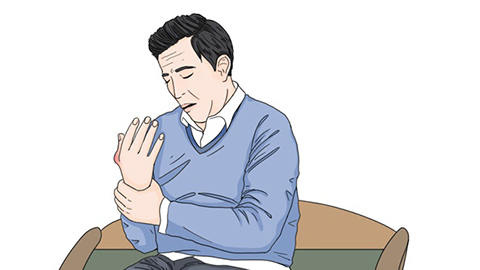
Acute gouty arthritis is characterized by the sudden onset of redness, swelling, warmth, and severe pain—typically affecting large joints of the lower extremities—often accompanied by low-grade fever and elevated serum uric acid levels. Patients frequently ask how many days it takes for an acute gout attack to resolve. Without pharmacological intervention, joint swelling usually begins to subside noticeably within 5–7 days. With appropriate anti-inflammatory and analgesic therapy, joint pain typically improves within 3–4 days. Dietary recommendations include consuming light, low-purine foods; avoiding organ meats, seafood, fatty or oily foods, and other high-purine items; abstaining from tobacco and alcohol; and engaging in moderate physical exercise.
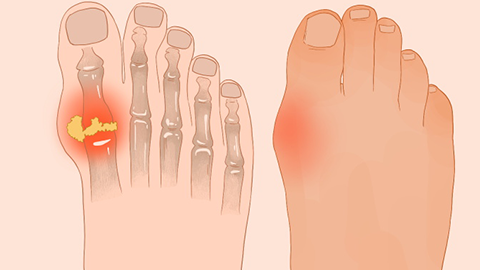
Additionally, individuals experiencing symptoms should promptly seek medical evaluation at a hospital and follow their physician’s guidance for appropriate management. We hope this information is helpful to you!