How to Achieve Permanent Hair Removal
May 26, 2022
Source: Cainiu Health

Dr. Liu Wan
Introduction
For permanent hair removal, you may visit a reputable local beauty clinic and consult a physician for laser hair removal. Currently, laser hair removal is considered the safest option and yields rapid results; however, it typically requires 5–6 sessions to achieve optimal, long-lasting effects. After the procedure, it is advisable to supplement your body with collagen and trace elements.
Whether female or male, everyone hopes for smooth, refined skin. However, some individuals experience excessive hair growth on their bodies. So, how can one achieve permanent hair removal?
How to Achieve Permanent Hair Removal
The most common methods for permanent hair removal include laser hair removal, intense pulsed light (IPL) hair removal, and “ice-point” hair removal. Laser hair removal operates on the principle of selective photothermolysis: light energy is converted into heat that targets and destroys hair follicle cells at the root, causing hairs to become finer, lighter, and grow more slowly. Typically, 3–5 treatment sessions are required to achieve permanent hair reduction. Although specific protocols may vary depending on the device used, all these methods can effectively achieve long-term hair removal. Individuals seeking cosmetic enhancement should select the most appropriate method based on their individual circumstances.
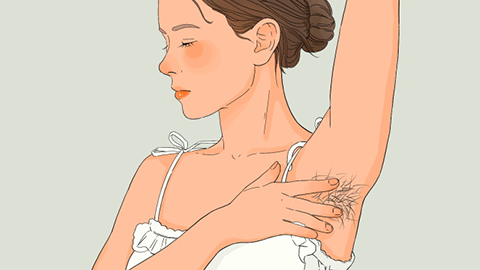
IPL hair removal and “ice-point” hair removal are essentially variations of laser hair removal—differing only in the type of light-based device employed, hence the distinct terminology. We recommend that individuals consult with a qualified physician at a reputable medical facility; the physician will assess your specific needs and recommend either IPL or “ice-point” hair removal accordingly. Both approaches yield comparable, long-lasting results, provided treatments are performed periodically as prescribed.
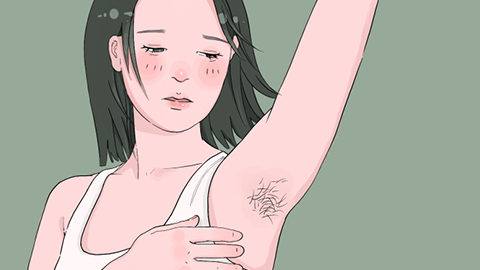
After treatment, consume light, bland foods; avoid spicy, stimulating, or greasy foods, as these may impede skin recovery. We hope this information proves helpful!