


What should I do if my ankle swells due to gout?
May 28, 2022
Source: Cainiu Health

Dr. Pan Yongyuan
Introduction
For patients with gout presenting ankle swelling, treatment options include non-pharmacological therapy, pharmacological therapy, and comprehensive therapy.
Non-pharmacological therapy: Patients may elevate the affected foot, minimize physical activity, and apply ice packs locally. This approach effectively alleviates pain, reduces local blood flow, and helps relieve congestion and edema—thereby contributing to reduction of swelling.
Gout is a very common condition in daily life. However, some patients experiencing gout are unsure how to treat ankle swelling that occurs during an acute attack. So, what should be done when gout causes ankle swelling?
What to Do When Gout Causes Ankle Swelling
Patients with gout-related ankle swelling may benefit from three therapeutic approaches: non-pharmacological treatment, pharmacological treatment, and comprehensive treatment. Non-pharmacological treatment: Patients should elevate the affected foot, minimize physical activity, and apply cold compresses (e.g., ice packs) locally. This helps effectively alleviate pain, reduce local blood flow, relieve congestion and edema, and thus contributes to reducing swelling. Pharmacological treatment: Clinically, commonly used medications include low-dose colchicine and nonsteroidal anti-inflammatory drugs (NSAIDs), such as etoricoxib, celecoxib, diclofenac sodium, and ibuprofen.
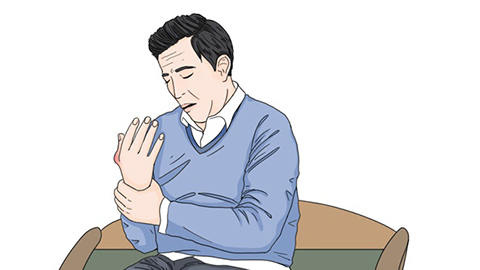
For patients who respond poorly to or cannot tolerate colchicine or NSAIDs, low-dose corticosteroids—potent anti-inflammatory agents—may be prescribed; these are effective in relieving swelling and pain in the ankles of gout patients. Comprehensive treatment: For gout patients, combining non-pharmacological measures with pharmacological therapy can accelerate resolution of swelling and pain.

The specific treatment plan for gout must be individualized according to each patient’s clinical condition and implemented under the guidance of a physician. We hope this article has been helpful to you. Wishing you good health and a joyful life!



