


What medication is best for rectal bleeding?
May 30, 2022
Source: Cainiu Health

Dr. Cheng Yicheng
Introduction
First, do not panic upon noticing rectal bleeding. The underlying cause should be determined through a comprehensive evaluation, including medical history, physical examination, and anoscopy. If hemorrhoids are the cause of bleeding, Yunnan Baiyao hemostatic agents may be administered. Taining suppositories can be inserted rectally to achieve hemostasis and reduce inflammation. Additionally, traditional Chinese herbal formulas—such as Liangxue Dihuang Tang (Cooling-Blood Rehmannia Decoction) and Huaixiao San (Sophora Flower Powder)—may be prescribed to cool the blood, stop bleeding, and alleviate inflammation.
In daily life, many individuals experience anal bleeding. Anal bleeding can stem from various causes—including dietary habits and certain medical conditions. So, what medications are effective for treating anal bleeding?
What Medications Are Effective for Anal Bleeding?
First, avoid undue anxiety about anal bleeding. The underlying cause should be determined through a comprehensive evaluation, including medical history, physical examination, and anoscopy. If bleeding is due to hemorrhoids, Yunnan Baiyao (a traditional hemostatic agent) may be used. Taining Suppositories can be inserted rectally to achieve hemostasis and reduce inflammation. Traditional Chinese herbal formulas—such as Liangxue Dihuang Tang (Cooling-Blood Rehmannia Decoction) and Huaixiang San (Sophora & Cyperus Powder)—may also be prescribed to cool the blood, stop bleeding, and alleviate inflammation associated with wind-dryness patterns. Additionally, Zilian Wan (Coptis & Scutellaria Pills) may be taken orally to clear heat, resolve dampness, and control bleeding.
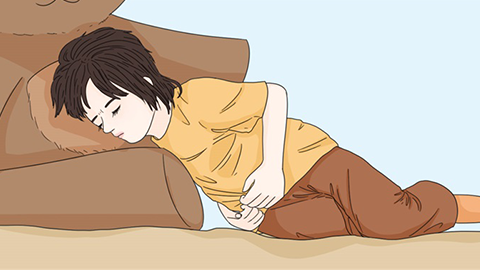
For more severe anal bleeding, herbs such as Diyu Tan (Carbonized Sanguisorba Root) and Xianhecao (Agrimonia Herb) may be employed. If bleeding results from foreign bodies or trauma causing rectal mucosal laceration, in addition to hemostatic agents, prompt surgical intervention—such as suture ligation of the bleeding site—may be required. Therefore, when anal bleeding occurs, identifying its etiology is essential before initiating targeted treatment.
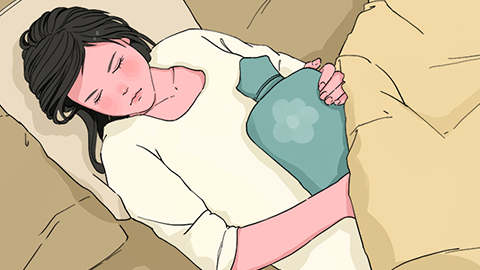
Maintain good perianal hygiene in daily life: clean the anal area thoroughly after defecation. Consume ample fresh fruits and vegetables, and drink plenty of warm water to prevent constipation. Avoid prolonged sitting; instead, engage in outdoor physical activities, which not only improve mood but also enhance overall physical fitness. We hope this information proves helpful to you!





