


What should I do about oily ears and bromhidrosis?
May 30, 2022
Source: Cainiu Health

Dr. Liu Wan
Introduction
Common treatment options for axillary osmidrosis include electroacupuncture cauterization of apocrine glands, surgical excision of apocrine glands, minimally invasive刮除 (scraping) of apocrine glands, and laser ablation of apocrine glands. The efficacy and cost of these treatments vary, so the most appropriate method can be selected based on individual circumstances. In daily life, maintaining good personal hygiene—such as bathing regularly and changing clothes frequently—is essential. It is also important to keep the axillary area dry. When necessary, consult a hospital for laser surgery.
The presence of wet earwax (often colloquially referred to as “oily ears”) in individuals with bromhidrosis (commonly known as “fox odor” or axillary osmidrosis) is associated with excessive secretion of apocrine gland secretions—substances sometimes loosely termed “toxins”—in the body. If no other adverse symptoms are present, specific medical treatment is generally unnecessary. Both wet earwax and certain skeletal features exhibit a degree of heritability. So, what should one do if they have bromhidrosis and wet earwax?
What to Do for Bromhidrosis with Wet Earwax
Common treatments for axillary bromhidrosis include electrocautery ablation of apocrine glands, surgical excision of apocrine glands, minimally invasive刮除 (scraping) of apocrine glands, and laser destruction of apocrine glands. Each method differs in efficacy and cost; therefore, the most appropriate option should be selected based on individual circumstances. Daily personal hygiene is essential: bathe regularly, change clothes frequently, and keep the external auditory canal dry. When necessary, consult a healthcare provider for laser surgery. Cultivating sound personal hygiene habits is crucial.
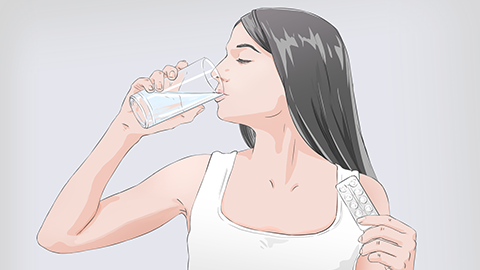
Individuals with bromhidrosis and wet earwax who neglect personal hygiene may experience prolonged accumulation of sweat on the skin surface. Their sweat typically contains higher concentrations of fatty acids than average. When these fatty acids are metabolized by bacteria, unsaturated fatty acids are produced—often appearing as a pale yellow discoloration. Prevention primarily involves maintaining good daily hygiene: bathing regularly, changing clothes frequently, cleaning the axillae thoroughly and routinely, avoiding excessive apocrine gland secretion, preventing long-term buildup of secretions, and minimizing bacterial overgrowth—which collectively contribute to bromhidrosis.
Opt for pure cotton, breathable clothing whenever possible, and ensure garments are dried promptly after sweating. Maintain a light, balanced diet rich in water, vegetables, and fruits; avoid greasy, spicy, and highly stimulating foods. We hope this information proves helpful!




