


What causes moisture inside the ear?
Nov 27, 2025
Source: Cainiu Health

Dr. Lu Cheng
Introduction
Moisture in the ear may be caused by factors such as oily earwax, water entering the ear canal, external ear eczema, otitis externa, or otitis media. It is recommended to seek medical attention promptly, identify the underlying cause, and receive appropriate treatment under a doctor's guidance. In daily life, it is important to protect the ear canal and avoid using sharp objects such as fingers or hairpins for ear cleaning. After washing hair or showering, promptly remove moisture from the entrance of the ear canal to keep the ear canal clean and dry.
Under normal circumstances, a moist sensation inside the ear may be caused by oily cerumen, water trapped in the ear canal, external auditory eczema, otitis externa, or otitis media. It is recommended to seek medical attention promptly, identify the underlying cause, and receive appropriate treatment under a doctor's guidance. Specific analyses are as follows:
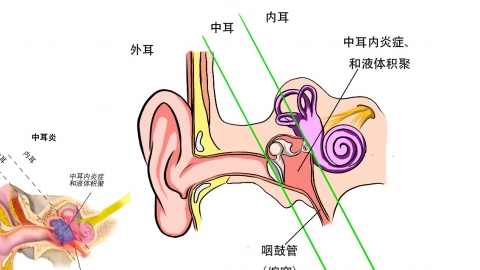
1. Oily cerumen: In some individuals, ceruminous glands are highly active, producing thick, oily cerumen that can make the ear canal feel moist. This is a normal physiological characteristic and does not require special treatment. Avoid frequent ear cleaning; gently wipe away residual cerumen at the outer ear canal opening with a clean cotton swab.
2. Water in the ear canal: During bathing, hair washing, or swimming, water may enter the ear canal and fail to drain promptly, causing moisture buildup. Immediately use a clean, dry cotton swab to gently absorb water at the entrance of the ear canal—avoid inserting the swab deeply into the canal. When engaging in water-related activities, consider using waterproof earplugs.
3. External auditory eczema: Associated with allergies or a persistently damp ear environment, this condition causes skin in the ear canal to exude fluid and become itchy, leading to a moist sensation. Patients should follow medical advice to apply medications such as mometasone furoate cream, desonide cream, or hydrocortisone butyrate cream, and avoid allergens like pollen and animal dander.
4. Otitis externa: Often caused by bacterial infection, this condition leads to congestion, swelling, and pus secretion in the ear canal mucosa, resulting in moisture and often accompanied by ear pain. Patients should use prescribed medications such as ofloxacin otic drops, cefradine capsules, or amoxicillin capsules, and avoid water entering the ear canal to prevent worsening infection.
5. Otitis media: Middle ear infection produces pus due to inflammatory stimulation, which may rupture through the eardrum and flow into the ear canal, causing moisture along with ear pain and hearing loss. Patients can take medications such as cefixime dispersible tablets, roxithromycin capsules, or levofloxacin hydrochloride otic drops as directed by a physician to relieve symptoms.
In daily life, protect the ear canal by avoiding the use of fingers, hairpins, or other sharp objects for ear cleaning. After bathing or washing hair, promptly dry the outer ear canal to maintain cleanliness and dryness, thereby reducing the likelihood of ear discomfort.







