


Hazards of Sitting with One Leg Crossed Over the Other
May 30, 2022
Source: Cainiu Health
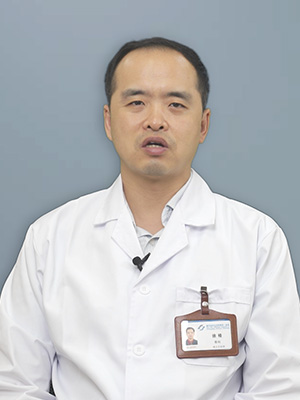
Dr. Xu Ge
Introduction
Crossing your legs places increased pressure on the internal structures of the knee joint, impairing timely nutrient supply to the articular cartilage and accelerating its wear—thereby raising the risk of osteoarthritis. Moreover, crossing your legs compresses the veins at the posterior aspect of the elevated leg and in the popliteal fossa, obstructing venous return and elevating venous pressure, which predisposes to lower-limb varicose veins.
Prolonged knee flexion can cause joint pain and impair joint function. When sitting with one leg crossed over the other (the “figure-four” or “ankle-on-knee” position), pressure on the internal structures of the knee increases, compromising timely nutrient supply to the articular cartilage and accelerating its wear—thereby raising the risk of osteoarthritis. Moreover, crossing the legs compresses the veins at the posterior aspect of the elevated leg and in the popliteal fossa, impeding venous return and increasing venous pressure, which predisposes individuals to lower-limb varicose veins. Individuals who smoke or have conditions such as atrial fibrillation or diabetes should especially avoid this posture, as leg-crossing restricts blood flow in the lower limbs and may promote deep vein thrombosis, potentially triggering other serious complications.

Leg-crossing may also adversely affect the prostate gland, contributing to prostatitis. Prostatic fluid—secreted by the prostate—is a major component of semen. Normal secretion of prostatic fluid is essential for maintaining sperm viability and fertilizing capacity. Prolonged leg-crossing increases perineal pressure, significantly impairing blood circulation to the prostate and consequently reducing its secretory function.







