What Are “Big Three Positives” and “Small Three Positives”?
May 30, 2022
Source: Cainiu Health

Dr. Jin Zhongkui
Introduction
“Big Three-Positive” refers to a specific serological pattern of hepatitis B virus (HBV) infection, characterized by positivity for hepatitis B surface antigen (HBsAg), hepatitis B e-antigen (HBeAg), and hepatitis B core antibody (anti-HBc). This pattern indicates active viral replication, which can damage hepatocytes and lead to alterations in liver function. Treatment decisions must be based on both liver function status and HBV DNA viral load.
“Small Three-Positive” refers to positivity for HBsAg, hepatitis B e-antibody (anti-HBe), and anti-HBc. Similarly, treatment should be determined only after comprehensive assessment of liver function and HBV DNA levels.
“Big Three-Positive” (Da San Yang) and “Small Three-Positive” (Xiao San Yang) refer to two distinct clinical patterns of chronic hepatitis B infection. Both conditions can cause varying degrees of liver damage, yet they are relatively uncommon in daily life, and many patients remain unaware of what these terms actually mean. So, what exactly are “Big Three-Positive” and “Small Three-Positive”?
What Are “Big Three-Positive” and “Small Three-Positive”?
“Big Three-Positive” refers to a hepatitis B virus (HBV) infection pattern characterized by positivity for hepatitis B surface antigen (HBsAg), hepatitis B e-antigen (HBeAg), and hepatitis B core antibody (anti-HBc). This pattern indicates highly active viral replication, which can lead to hepatocyte damage and consequent abnormalities in liver function. Treatment decisions must be guided by both liver function test results and quantitative HBV DNA levels. In contrast, “Small Three-Positive” denotes positivity for HBsAg, hepatitis B e-antibody (anti-HBe), and anti-HBc. Similarly, therapeutic management requires comprehensive assessment of liver function and viral load.
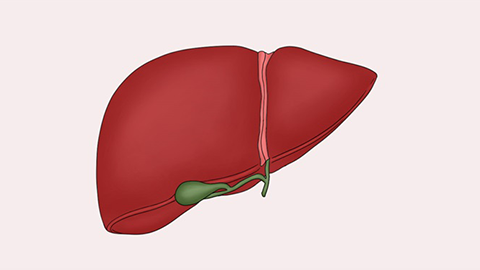
The primary differences between “Big Three-Positive” and “Small Three-Positive” lie in the level of viral replication and the degree of hepatic injury. Patients with “Big Three-Positive” typically exhibit higher HBV DNA levels and more rapid viral replication compared to those with “Small Three-Positive.” Moreover, “Big Three-Positive” patients often experience more severe impairment of liver function—manifesting as elevated serum transaminases and jaundice. Conversely, patients with “Small Three-Positive” generally maintain relatively normal liver function and tend to have milder disease.
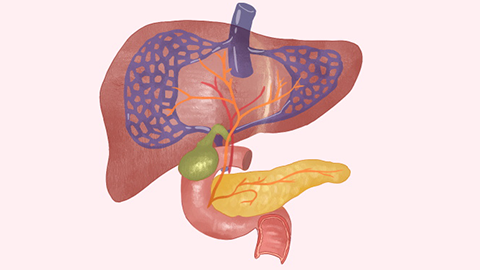
Both “Big Three-Positive” and “Small Three-Positive” represent forms of chronic hepatitis B infection and are therefore infectious, potentially impairing normal liver function. Common symptoms include anorexia, aversion to greasy foods, fatigue, mild jaundice, yellowish discoloration of the skin and sclera, dark-colored urine, and hepatic discomfort or pain. Due to higher viral loads and greater infectivity, “Big Three-Positive” patients may present with the same symptoms as “Small Three-Positive” patients—but more severely. Specifically, “Big Three-Positive” is associated with significantly greater hepatic damage, often resulting in hepatitis (liver inflammation). We hope this explanation proves helpful!