


What disease causes blue lips?
May 30, 2022
Source: Cainiu Health

Dr. Li Man
Introduction
What conditions cause cyanotic lips?
Cyanotic lips (blue-tinged lips) are relatively uncommon and are typically caused by cardiac dysfunction or heart failure, which lead to chronic cerebral hypoxia and pulmonary congestion, thereby reducing arterial oxygen saturation. Valvular heart disease may also result in pulmonary congestion and decreased oxygen saturation, manifesting as cyanotic lips. Additionally, chronic bronchitis and chronic obstructive pulmonary emphysema can cause cyanotic lips.
Clinically, cyanotic (blue) lips are relatively uncommon. Cyanosis of the lips is often associated with pulmonary arterial hypertension—a rare, insidious condition characterized by elevated blood pressure in the pulmonary arteries. This can lead to right heart failure. Early symptoms typically include exertional dyspnea, angina pectoris, and peripheral edema. So, what diseases cause cyanotic lips? Let’s explore this further.
What Diseases Cause Cyanotic Lips?
1. Heart Failure
Cyanotic lips—i.e., lip cyanosis—are a serious clinical sign, usually resulting from cardiac insufficiency or heart failure. Chronic cerebral hypoxia and pulmonary congestion caused by impaired cardiac function reduce arterial oxygen saturation, leading to cyanosis of the lips.

2. Valvular Heart Disease
Valvular heart disease—another form of cardiovascular disorder—is caused by stenosis or regurgitation of one or more heart valves. Such abnormalities may result in pulmonary congestion and decreased oxygen saturation, thereby causing cyanotic lips.
3. Congenital Heart Disease
In patients with congenital heart disease, right-to-left shunting of venous blood into the systemic arterial circulation occurs. This mixing reduces arterial oxygen saturation, resulting in cyanosis—including cyanotic lips.
4. Pulmonary Disorders
Various pulmonary diseases—especially severe ones—can also manifest with cyanotic lips. For example, chronic obstructive pulmonary disease (COPD), including chronic bronchitis and emphysema, may lower oxygen saturation and produce cyanosis. Pulmonary vascular disorders—such as chronic pulmonary thromboembolism, pulmonary arterial hypertension, and pulmonary artery stenosis—can similarly cause cyanotic lips.
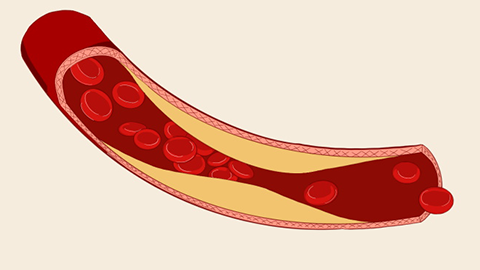
The above outlines the major underlying conditions associated with cyanotic lips. If cyanosis of the lips appears, prompt medical evaluation is essential. Initial diagnostic workup typically includes echocardiography to assess for structural heart disease or pulmonary arterial hypertension. When indicated, contrast-enhanced CT angiography of the pulmonary arteries and/or high-resolution chest CT may be required to confirm the diagnosis and identify the precise etiology. We hope this information is helpful to you.






