Why Do Mouth Ulcers Occur?
May 31, 2022
Source: Cainiu Health

Dr. Zhang Liwen
Introduction
There are many causes of oral ulcers:
- Ulcers resulting from lowered immunity, fatigue, or consumption of spicy or irritating foods—these are primarily associated with the patient’s immune status;
- Ulcers caused by trauma or injury, such as cuts from hard objects—termed traumatic ulcers, which typically heal within 7–10 days after removal of the causative factor;
- Another type is recurrent aphthous stomatitis, a condition classified under oral mucosal diseases.
Damage to the oral mucosa can lead to ulcers. Most common oral ulcers are self-limiting and resolve spontaneously without treatment; however, some cases can be severe. If left untreated, the ulcerated area may enlarge and pain may intensify. So, what causes oral ulcers?
Causes of Oral Ulcers
Oral ulcers have multiple causes: those triggered by lowered immunity, fatigue, or consumption of spicy or irritating foods are primarily associated with the patient’s immune status; ulcers resulting from trauma—such as accidental bites or cuts from hard objects—are termed traumatic ulcers and typically heal within 7–10 days after removal of the causative factor. Another type, recurrent aphthous stomatitis (RAS), is a chronic oral mucosal disorder linked to genetic and immunological factors, often recurring approximately once per month. Systemic pharmacotherapy is required for effective management of RAS. Regardless of etiology, most oral ulcers are both self-healing and self-limiting, generally resolving spontaneously within 7–10 days.
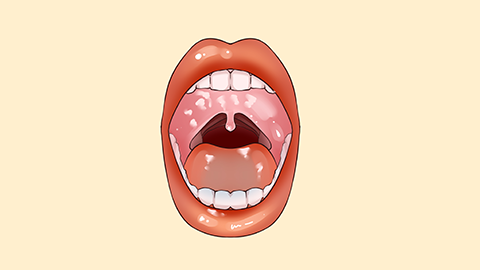
Oral ulcers are a common condition, and patients must pay special attention to their diet. Spicy and irritating foods should be avoided entirely; hard foods should be consumed sparingly; and intake of fruits and vegetables—especially cooling foods such as pears, watermelon, radishes, lotus root juice, and chrysanthemum tea—should be increased. This is because the majority of oral ulcers are attributed to “excess heat” in traditional Chinese medicine terms.

Patients presenting with oral ulcers should seek timely medical evaluation to determine the underlying cause and receive targeted treatment. We hope this article has been helpful to you!