


Efficacy and Effects of Lycium Root
Jun 01, 2022
Source: Cainiu Health

Dr. Zhao Haiming
Introduction
Lycii Root Bark, also known as *Lycii Cortex* (Di Gu Pi), has a sweet taste and cool nature. It acts on the Lung and Kidney meridians and functions to clear heat and alleviate deficiency-heat syndromes; it is an excellent herb for clearing heat. Lycii root possesses potent antipyretic and cooling effects.
Lycii Fruit (*Fructus Lycii*, Gou Qi Zi) is a traditional Chinese medicinal herb whose primary actions include nourishing the Kidneys, moistening the Lungs, tonifying the Liver, and improving vision. It is indicated for conditions such as Yin deficiency of the Liver and Kidneys, soreness and weakness of the lower back and knees, dizziness, blurred vision, excessive tearing, consumptive cough, diabetes mellitus (Xiao Ke), and seminal emission.
Since ancient times, goji berries (Lycium barbarum) have been a valued herb in Traditional Chinese Medicine (TCM) for treating conditions such as liver blood deficiency and kidney yin deficiency. For women, goji berries are also prized for their beautifying and nourishing properties—making them especially popular among many female users. Indeed, every part of the goji plant is considered medicinally valuable. So, what are the functions and therapeutic effects of goji root?
Functions and Therapeutic Effects of Goji Root
The root bark of the goji plant—commonly known as “Di Gu Pi” (Lycii Cortex)—has a sweet, cool nature and acts on the Lung and Kidney meridians. It effectively clears heat and alleviates deficiency-type heat syndromes, making it an excellent herb for clearing internal heat.
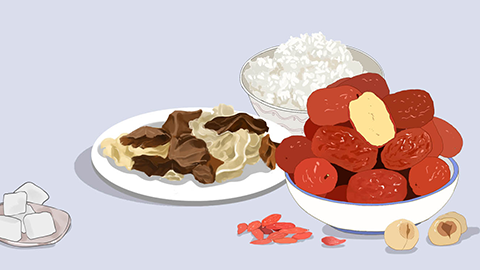
1. It is indicated for conditions such as pathogenic heat invading the Lung, resulting in impaired lung function, coughing, shortness of breath, fever due to yin deficiency, persistent low-grade fever, and diabetes mellitus (Xiao Ke). It is commonly combined with other herbs including Mori Cortex (Sang Bai Pi), Glycyrrhiza (Gan Cao), rice (Jing Mi), Ginseng (Ren Shen), Poria (Fu Ling), and Scutellaria (Huang Qin).
2. It possesses hemostatic and cooling effects on the blood, and is frequently used to treat hemoptysis (coughing up blood) and hematuria (blood in urine). It is often prescribed in combination with Imperata Rhizome (Bai Mao Gen), Biota Leaf (Ce Bai Ye), and Rubia Root (Qian Cao).
Goji berries (Lycii Fructus), a well-known TCM herb, primarily nourish the kidneys, moisten the lungs, tonify the liver, and improve vision. They are indicated for syndromes involving liver-kidney yin deficiency—such as soreness and weakness of the lower back and knees, dizziness, blurred or dim vision, excessive tearing, chronic fatigue-related cough, diabetes mellitus (Xiao Ke), and seminal emission.
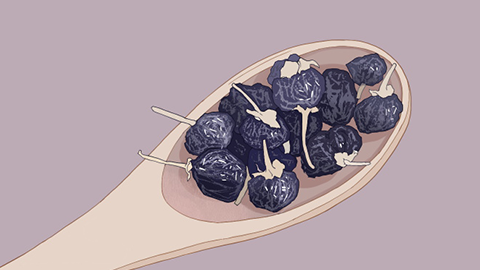
Goji root exhibits potent antipyretic (fever-reducing) activity. Its decoction has demonstrated significant fever-lowering effects in experimentally febrile rabbits—comparable in efficacy to many clinically used antipyretics. Additionally, anti-inflammatory and antibacterial preparations derived from goji root—formulated as a 10% injection solution—are administered intramuscularly at 2–3 mL per dose, mixed with 2 mL of autologous blood, twice weekly for a total of ten doses per treatment course. This regimen has been applied clinically in the management of juvenile flat warts, palmar-plantar warts, and generalized eczema.
We hope this information proves helpful to you!





