


What Causes Bowel Sounds and Diarrhea?
Jun 01, 2022
Source: Cainiu Health

Dr. Jiang Weimin
Introduction
Borborygmi (rumbling or gurgling sounds from the intestines) and diarrhea may result from intestinal inflammation, such as ulcerative colitis or Crohn’s disease. Inflammatory lesions affecting the superficial mucosal layer of the intestine can lead to hyperactive intestinal motility and functional disturbances, manifesting as frequent borborygmi. These conditions impair normal digestion and absorption of water and nutrients within the intestine, resulting in persistent diarrhea and pale yellow stools.
Sometimes, during episodes of diarrhea, you may hear gurgling or rumbling sounds emanating from your abdomen—this is actually a specific type of diarrhea known as “borborygmus-associated diarrhea.” So, what exactly is borborygmus-associated diarrhea?
What Causes Borborygmus-Associated Diarrhea?
Borborygmi (abdominal rumbling) and diarrhea may result from intestinal inflammation, such as ulcerative colitis or Crohn’s disease. Inflammatory changes affecting the mucosal lining of the intestines can lead to hyperactive intestinal motility and functional disturbances, manifesting as frequent bowel sounds. These disturbances impair normal digestion and absorption of water and nutrients within the gut, resulting in persistent diarrhea and pale yellow stools.
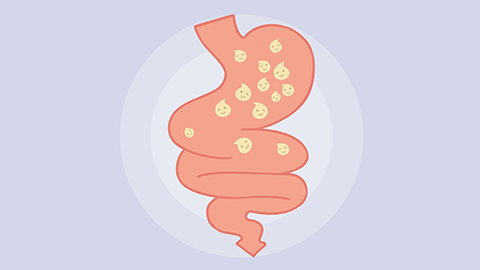
Borborygmus-associated diarrhea should not be taken lightly. If symptoms persist for approximately one month, it likely indicates gastrointestinal inflammation. Patients must promptly replenish fluids and nutrients; otherwise, dehydration and malnutrition may develop. Borborygmus-associated diarrhea may arise under several conditions: for instance, abdominal borborygmi accompanied by excessive hunger may reflect deficiency of central qi and cold-dampness in the spleen and stomach. Severe diarrhea with marked abdominal distension and loud borborygmi may also indicate gastrointestinal dysfunction triggered by wind-cold invasion.

Patients with borborygmus-associated diarrhea should adjust their dietary habits accordingly. Avoid raw, cold, greasy, spicy foods, as well as tea, coffee, and alcohol. Since gas accumulation often accompanies diarrhea, foods that readily produce gas—such as potatoes and sweet potatoes—should also be avoided. Instead, opt for easily digestible foods like congee, clear soups, and udon noodles to support healthy gastrointestinal motility. We hope this article has been helpful. Wishing you a joyful life and good health!





