Symptoms and Treatment of Rheumatoid Arthritis
Jun 05, 2022
Source: Cainiu Health

Dr. Liu Aihua
Introduction
The primary symptoms of rheumatic arthritis include migratory and polyarticular involvement. Penicillin is typically the first-line treatment; however, erythromycin or other antibiotics may be used in patients with penicillin allergy. Anti-rheumatic medications—such as aspirin or glucocorticoids—may also be employed. Large joints are predominantly affected, including the shoulders, elbows, knees, ankles, and wrists. Local manifestations include skin erythema.
Everyone has heard of rheumatoid arthritis and may feel troubled by it. Its primary manifestations include joint pain and swelling; during the acute phase, patients may develop fever and experience severe pain. Without timely treatment, the disease can affect the heart, leading to serious complications. So, what are the symptoms and treatment options for rheumatic arthritis?
Symptoms and Treatment of Rheumatic Arthritis
The hallmark features of rheumatic arthritis include migratory involvement and multi-joint inflammation. Penicillin is typically the first-line antibiotic treatment; for patients allergic to penicillin, alternatives such as erythromycin or other antibiotics may be used. Anti-rheumatic medications—including aspirin or corticosteroids—may also be employed. The disease predominantly affects large joints, such as the shoulders, elbows, knees, ankles, and wrists. Locally, affected joints often appear erythematous with markedly elevated skin temperature. With effective treatment, most patients regain full joint function without residual deformity. The main therapeutic goal is to control streptococcal infection.
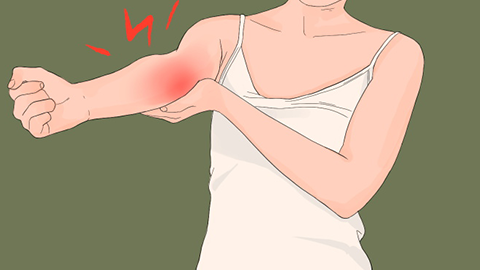
During the acute phase, patients with rheumatic arthritis must ensure adequate rest and strictly limit physical activity to avoid exacerbating joint involvement. They should maintain warmth, prevent colds, and avoid joint trauma. Living environments should be kept clean, well-ventilated, and exposed to ample sunlight. For severe cases, joint protection is essential—avoiding excessive joint movement. Once body temperature normalizes and joint function recovers, patients should gradually resume appropriate physical activity.

In daily life, patients should avoid joint strain and take care to stay warm. We hope this information proves helpful to you.