


What medication is used to treat Candida albicans infection?
Jun 05, 2022
Source: Cainiu Health

Dr. Chen Zhe
Introduction
Candida albicans infection is best treated with clotrimazole-based medications, as vaginal infections caused by Candida albicans fall under the category of fungal vaginitis and require antifungal therapy. Clotrimazole-based antifungal agents are highly effective against fungi and can efficiently eradicate Candida albicans. Sexual intercourse should be avoided during treatment to prevent cross-infection.
Some women neglect personal hygiene in daily life, which may lead to a series of inflammatory conditions—such as candidiasis caused by Candida albicans. If left untreated, this infection can significantly impair normal daily functioning. So, what medications are used to treat Candida albicans infection?
What medications are used to treat Candida albicans infection?
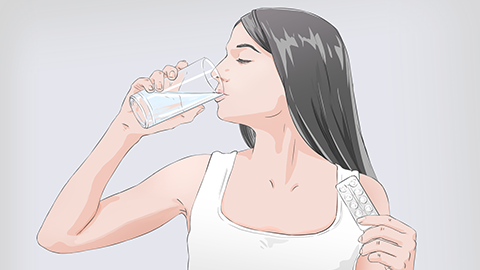
Candida albicans infection is a type of fungal infection. If infected, antifungal medications are the primary treatment option. Commonly prescribed oral antifungals include fluconazole, ketoconazole, and terbinafine. Topical antifungal agents frequently used include miconazole nitrate cream and ketoconazole cream. However, medication selection and usage should always be guided by a qualified healthcare professional. Antifungal drugs carry relatively significant side effects; inappropriate use may cause harm to bodily functions.
Candida albicans infection—also known as candidiasis—can manifest as vulvovaginal candidiasis (commonly referred to as “fungal vaginitis”) in women. Typical symptoms include vaginal discharge resembling cottage cheese or tofu curds, usually without a strong odor, but accompanied by severe pruritus of the external genitalia.

In addition to pharmacological treatment, it is essential to eliminate predisposing factors—for example, avoiding prolonged use of broad-spectrum antibiotics and corticosteroids, and actively managing underlying conditions such as diabetes. Maintaining good personal hygiene is also critical: change and wash undergarments regularly, launder undergarments separately from socks, and dry them thoroughly in direct sunlight whenever possible. We hope this information proves helpful!






