


Is glomerular hematuria serious?
Jun 06, 2022
Source: Cainiu Health

Dr. Zhao Xinju
Introduction
Glomerular hematuria refers to hematuria resulting from glomerular disease, wherein increased permeability of the glomerular basement membrane—due to damage to both the charge and mechanical barriers—allows red blood cells from the circulation to pass through the compromised filtration barrier into the urine. This results in glomerular hematuria, characterized by dysmorphic red blood cells, reduced hematocrit, and even red blood cell fragmentation.
Glomerular hematuria is a common condition encountered in daily life. Some patients are diagnosed with glomerular hematuria during hospital examinations but remain uncertain about its severity. So, how serious is glomerular hematuria?
How Serious Is Glomerular Hematuria?
Glomerular hematuria ranges from mild to severe, and its severity cannot be determined based solely on the presence of hematuria. Indeed, any kidney disease may manifest as glomerular hematuria. When hematuria is the sole abnormal finding—without accompanying abnormalities in urine analysis, blood tests, or imaging studies—the condition is classified as the mildest form: occult glomerulonephritis. In contrast, when glomerular hematuria occurs alongside significant proteinuria and elevated serum creatinine levels—as seen in glomerulonephritis—renal biopsy may be necessary.
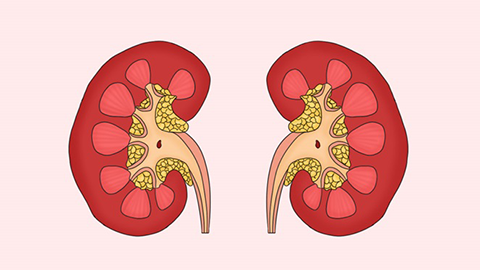
The most severe form is rapidly progressive glomerulonephritis (RPGN), characterized by autoantibodies targeting the kidneys—specifically the glomerular basement membrane—causing red blood cells to leak into the urine through the damaged membrane. Hematuria resulting from such glomerular pathology is highly serious and requires prompt, aggressive treatment. Glomerular hematuria arises from glomerular lesions that increase the permeability of the glomerular basement membrane and disrupt both its charge- and size-selective filtration barriers.

Consequently, red blood cells pass through the abnormally permeable filtration barrier into the urine, resulting in glomerular hematuria. This typically presents as dysmorphic red blood cells with reduced mean corpuscular volume (MCV), often prone to fragmentation. Such hematuria is commonly caused by various primary or secondary glomerulonephritides. If you experience this condition, seek medical evaluation and treatment promptly. We hope this article has been helpful to you!






