When Should You Use an Early Pregnancy Test Strip?
Jun 06, 2022
Source: Cainiu Health

Dr. Lv Aiming
Introduction
To test for early pregnancy using a pregnancy test strip, it is best to perform the test approximately three weeks after intercourse. Use the midstream urine collected first thing in the morning, as this yields the most sensitive and relatively accurate results. If the test displays two lines, this indicates a positive result, suggesting possible pregnancy. If only one line appears, the result is negative, indicating no pregnancy.
Many women routinely use early pregnancy test strips to detect whether they are pregnant, and hospital-based urine tests also rely on this same principle to confirm pregnancy. So, when is the optimal time to use an early pregnancy test strip?
When Should You Use an Early Pregnancy Test Strip?
For the most reliable results, it is recommended to use an early pregnancy test strip approximately three weeks after intercourse. The first-morning midstream urine sample yields the highest sensitivity and accuracy compared to samples collected at other times of day. A result showing two lines indicates a positive reaction—suggesting possible pregnancy—while a single line indicates a negative result, meaning no pregnancy was detected. If the test yields a positive result, further confirmation via blood testing (serum β-hCG assay) at a healthcare facility is necessary to definitively confirm pregnancy. Thus, this method serves as one diagnostic tool for confirming pregnancy.
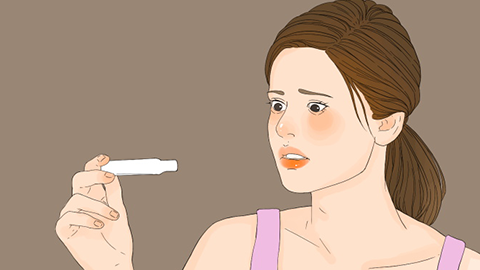
Pregnancy may be suspected if menstruation is delayed by more than two weeks beyond the expected date. Early pregnancy symptoms often include breast tenderness or itching. Nausea and vomiting are also extremely common during early pregnancy. Skin pigmentation changes or the development of abdominal stretch marks may occur, particularly becoming more pronounced in later stages of pregnancy.
In early pregnancy, vaginal mucosa may appear darker due to increased vascularity. Starting around week 8 of gestation, the breasts enlarge and become tender; the nipples and areolae darken. As the uterus enlarges, it exerts pressure on the bladder, leading to increased urinary frequency. We hope this article has been helpful to you!