


When should a pregnancy test strip be used?
Apr 25, 2022
Source: Cainiu Health

Dr. Cao Ting
Introduction
Early pregnancy test strips are most accurate when used with first-morning urine. It is recommended to use first-morning urine because it remains in the bladder longer and is less affected by sweating, fluid intake, and metabolism—resulting in the highest concentration of human chorionic gonadotropin (hCG) in the urine. The testing method is also closely related to accuracy. The correct procedure is to collect a urine sample in a clean container and immerse the pregnancy test strip—ensuring the end marked “MAX” is submerged—in the urine.
Every woman, upon becoming pregnant for the first time, tends to worry about whether she is pregnant. Consequently, many opt to use early pregnancy test strips to determine pregnancy status. But when is the optimal time to take the test?
When Should an Early Pregnancy Test Strip Be Used?
Early pregnancy test strips yield the most accurate results when used with first-morning urine. This is because morning urine has remained in the bladder for a longer duration and is thus less affected by factors such as sweating, fluid intake, or metabolic activity—resulting in the highest concentration of human chorionic gonadotropin (hCG) in the urine. The testing method also significantly influences accuracy. To perform the test correctly: collect urine in a clean container, then immerse the end of the test strip marked “MAX” into the urine sample. Be careful not to submerge the strip beyond the MAX line. After 30 seconds, remove the strip and lay it flat for 1–5 minutes to observe the results.
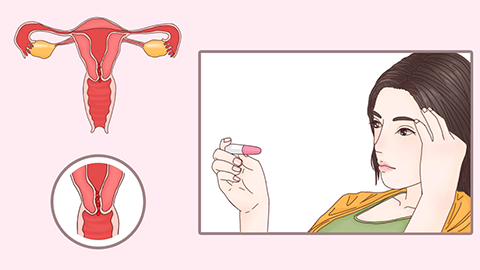
After testing, if two distinct red lines appear—one in the control (C) region and one in the test (T) region—pregnancy is highly likely. The intensity of the red line in the test region correlates with the hCG concentration in the sample. If the result is positive, it is recommended that the individual visit a healthcare facility for further evaluation approximately 40 days after the onset of missed menstruation.
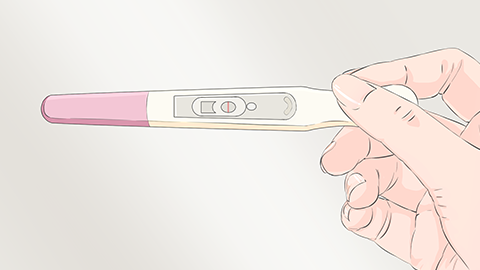
An early pregnancy test strip is an in vitro diagnostic tool used to detect pregnancy. It measures the level of human chorionic gonadotropin (hCG) in a woman’s urine. Depending on the hormone concentration, results may be negative, positive, or falsely positive—each carrying distinct clinical implications. A negative result indicates no pregnancy; a positive result shows two clearly visible red lines (one in the control region and one in the test region), confirming pregnancy. We hope this information proves helpful!



