What does “left occiput transverse” mean?
Jun 06, 2022
Source: Cainiu Health

Dr. Chen Zhe
Introduction
Left Occiput Transverse (LOT) position refers to a fetal presentation in which the fetal occiput lies on the left side of the maternal pelvis, and the fetal sagittal suture aligns with the transverse diameter of the maternal pelvis. This position is termed “left occiput transverse” and represents one type of malposition. However, LOT is not an absolute contraindication to vaginal delivery; many women with LOT can deliver vaginally. During labor, the fetus often rotates spontaneously from the transverse occipital position to the favorable anterior occipital position (e.g., left or right occiput anterior), enabling successful vaginal birth. In some cases, persistent occiput transverse position fails to rotate adequately, necessitating cesarean delivery.
In daily life, only a small number of pregnant women experience fetal left occiput presentation. Both left occiput transverse and right occiput transverse positions effectively obstruct the mother’s limited birth canal and are among the causes of dystocia. So, what exactly does “left occiput transverse” mean?
What does “left occiput transverse” mean?
Left occiput transverse (LOT) refers to a fetal position in which the fetal occiput lies on the mother’s left pelvic side, with the fetal sagittal suture aligned parallel to the transverse diameter of the maternal pelvis. This condition is termed “left occiput transverse” and represents one type of abnormal fetal presentation. However, LOT is not an absolute contraindication to vaginal delivery—many women with LOT can still deliver vaginally. During labor, the fetal head often rotates from the transverse to the anterior occiput position (OA), enabling successful vaginal delivery. In some cases, however, persistent occiput transverse position may occur, necessitating cesarean delivery. Fetal position is primarily determined by the relationship between the presenting part and the maternal pelvis; for cephalic presentations, the occiput serves as the reference point.
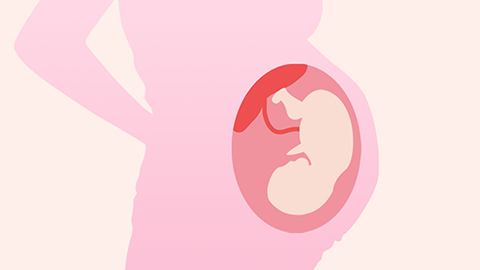
Pregnant women should undergo regular prenatal examinations to prevent complications such as difficult labor. Should signs of dystocia arise, prompt decision-making regarding cesarean delivery is essential—delaying intervention may jeopardize both maternal and neonatal health.

If abnormal fetal positioning is detected during examination, consult your physician promptly to determine whether external cephalic version or other interventions are appropriate—do not wait until labor begins. Expectant mothers may also engage in appropriate exercises and activities, such as gentle physical activity and prenatal education (e.g., music therapy, talking to the baby). Maintaining a positive emotional state is equally important. Additionally, timely and adequate nutritional intake plays a vital role in fetal development. We hope this information proves helpful!