


What Is the Difference Between Enteritis and Gastroenteritis?
Jun 07, 2022
Source: Cainiu Health

Dr. Zhao Haiming
Introduction
Generally speaking, gastroenteritis is closely related to enterogastritis—essentially referring to the same condition—yet the two terms emphasize different sites of involvement. “Gastroenteritis” denotes inflammation centered primarily on the stomach (gastritis), accompanied secondarily by intestinal inflammation (enteritis); conversely, “enterogastritis” is used when both enteritis and gastritis are present. The typical clinical presentation of gastroenteritis includes abdominal pain and nausea/vomiting, whereas diarrhea is the hallmark feature of enterogastritis.
Most people have at least a basic understanding of gastritis. Now that summer has arrived, those who have previously suffered from gastritis know well how uncomfortable its flare-ups can be. As parents, we must be especially aware of the causes and preventive measures for this condition. But what is the difference between “enterogastritis” and “gastroenteritis”?
What Is the Difference Between Enterogastritis and Gastroenteritis?
Generally speaking, enterogastritis and gastroenteritis are closely related—and in many contexts, they are used interchangeably. However, the two terms emphasize different sites of involvement. “Gastroenteritis” refers primarily to inflammation centered in the stomach (gastritis), accompanied by concurrent intestinal inflammation (enteritis). Conversely, “enterogastritis” denotes simultaneous inflammation of both the intestines and the stomach—i.e., when both enteritis and gastritis are present. Clinically, gastroenteritis typically presents with abdominal pain, nausea, and vomiting, whereas enterogastritis is more commonly characterized by diarrhea, abdominal pain, and sometimes changes in stool characteristics. Overall, however, both conditions represent inflammatory disorders of the gastrointestinal tract.

Gastroenteritis arises from hemorrhagic lesions or infectious inflammation of the gastrointestinal mucosa. Typically, this results from inflammatory processes affecting either the gastric or intestinal mucosa. Symptoms are often pronounced: many patients experience nausea, vomiting, and diarrhea; some develop colicky abdominal pain, while others may even exhibit fever and profuse sweating. Therefore, appropriate management is essential—including timely evaluation and treatment at a reputable hospital, along with pharmacologic interventions to alleviate symptoms.
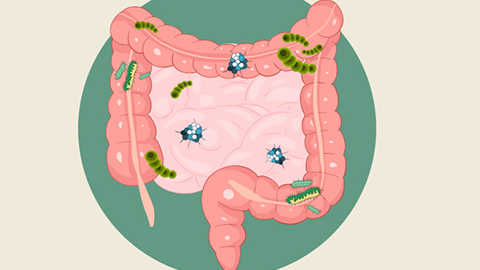
Gastroenteritis is also a common disorder, frequently triggered by improper dietary habits. Especially during summer, consuming raw fruits and vegetables may disrupt normal gastrointestinal function—or bacterial toxins and other harmful substances may damage the gastric mucosa, potentially precipitating gastroenteritis and related symptoms. Hence, vigilance is warranted. Patients should prioritize adequate rest and maintain a balanced, health-conscious diet. We hope this explanation proves helpful to you.



