


What should be done for a child experiencing abdominal distension, abdominal pain, and indigestion?
Jun 07, 2022
Source: Cainiu Health

Dr. Ma Yan
Introduction
Abdominal distension and indigestion in children can be managed with physical therapies. When a child experiences abdominal pain, bloating, or indigestion, gently massaging the abdomen in a clockwise direction can help promote flatus and bowel movement. Encouraging the child to move moderately—rather than remaining seated for prolonged periods—also aids in gas expulsion. For infants, parents can perform gentle gas-relief exercises. Additionally, under a physician’s guidance, certain medications may be administered.
Children are treasures of every family, and their health is of utmost importance to all family members. Even minor discomforts can cause great concern, prompting constant vigilance over any changes in the child’s physical condition. Occasionally, inappropriate food intake may lead to abdominal discomfort.
So, what should be done when a child experiences abdominal distension, abdominal pain, or indigestion?
How to Manage Abdominal Distension, Abdominal Pain, and Indigestion in Children
Physical therapies can be effective for managing abdominal distension and indigestion in children. When a child experiences abdominal pain, distension, or indigestion, gentle clockwise abdominal massage can help promote gas expulsion and bowel movements. Encouraging moderate physical activity—rather than prolonged sitting—also aids in relieving gas buildup. For infants, specific gas-relieving exercises may be performed. Under a physician’s guidance, certain medications may also be administered: oral probiotics help regulate intestinal flora, reduce gas production within the intestinal lumen, alleviate abdominal distension, and support digestion. In cases where indigestion results from excessive intake of high-fat or greasy foods, digestive enzyme supplements—such as lactase or pepsin—may be prescribed by a healthcare provider.

Abdominal distension, abdominal pain, and indigestion in children commonly stem from dietary improprieties. Physiologically, children often present with constitutional deficiencies—such as congenital lung qi deficiency and spleen qi deficiency—as well as inherent immaturity of the spleen and stomach functions. While rapid growth and development demand increased caloric and nutritional intake, the digestive system (particularly the spleen and stomach) has not yet matured proportionally, predisposing children to abdominal pain. Overeating easily overwhelms their immature digestive capacity, leading to indigestion, abdominal pain, distension, and even diarrhea.
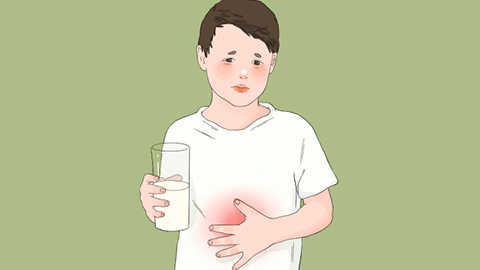
Providing children with a balanced, age-appropriate diet is essential to achieving optimal digestive health. We hope this information proves helpful to you.




