


How is urinary incontinence treated in elderly women?
Jun 07, 2022
Source: Cainiu Health
Dr. Li Mingchuan
Introduction
Causes of urinary incontinence in elderly women may include neurological factors—such as cerebral hemorrhage, cerebral thrombosis, or spinal cord injury—that impair the neural control of urination. It may also be urge incontinence, primarily caused by urinary tract infections. Additionally, the most common cause is stress incontinence, characterized by involuntary urine leakage during activities such as coughing or laughing.
Urinary incontinence is a relatively common condition that significantly impacts daily life—particularly among older adults. So, how is urinary incontinence treated in elderly women?
How Is Urinary Incontinence Treated in Elderly Women?
For elderly women with mild symptoms, oral pharmacotherapy is often the first-line treatment—typically anticholinergic agents (M-receptor antagonists), such as tolterodine. In cases of severe urinary incontinence, surgical intervention may be required. Currently, most patients undergo mid-urethral sling procedures, which are minimally invasive, technically straightforward, and associated with rapid recovery.
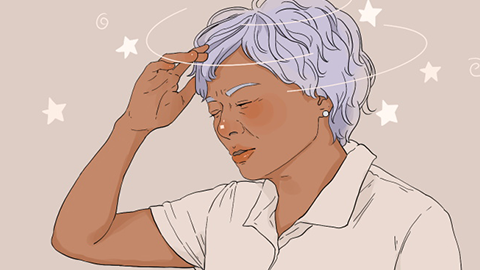
Urinary incontinence in elderly women may stem from neurological causes—such as intracerebral hemorrhage, cerebral thrombosis, or spinal cord injury—that impair neural control of micturition. It may also manifest as urge incontinence, commonly triggered by urinary tract infections and characterized by symptoms including urinary frequency, urgency, and dysuria. The most prevalent type, however, is stress urinary incontinence—defined by involuntary urine leakage during activities that increase intra-abdominal pressure, such as coughing or laughing.
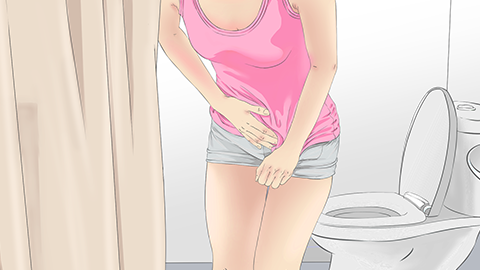
In daily life, prioritize adequate rest and sufficient sleep, and avoid excessive physical fatigue. Diet should emphasize light, easily digestible foods; minimize intake of greasy, raw, cold, or spicy and irritating foods. Increase consumption of fresh fruits and vegetables rich in vitamins. Engage in appropriate physical exercise to enhance immune function and overall resilience. We hope this information proves helpful!







