Does a high anti-O level indicate rheumatism?
Jun 07, 2022
Source: Cainiu Health

Dr. Liu Aihua
Introduction
Elevated anti-streptolysin O (ASO) titers are not necessarily indicative of rheumatic disease; they may also occur in other conditions. ASO antibodies serve as a marker for infection with hemolytic streptococci. Conditions such as rheumatic fever, acute glomerulonephritis, and tonsillitis can all lead to elevated ASO levels. An ASO titer exceeding 500 IU/mL is considered diagnostically significant for rheumatic disease. However, some patients with elevated ASO titers may not exhibit joint pain or other symptoms.
Rheumatic diseases are highly prevalent conditions frequently encountered in daily life. However, most people still have a poor understanding of them. These diseases significantly impact human health. Therefore, timely treatment is essential upon diagnosis, and patients must also understand the underlying causes and implement preventive measures in daily life to avoid disease progression. So, does an elevated antistreptolysin O (ASO) titer indicate rheumatic disease?
Does an elevated ASO titer indicate rheumatic disease?
An elevated ASO titer does not necessarily indicate rheumatic disease; it may also occur in other conditions. ASO antibodies are detected to assess prior infection with hemolytic streptococcus. Elevated ASO levels can be seen in rheumatic fever, acute glomerulonephritis, tonsillitis, and other infections. An ASO titer exceeding 500 IU/mL holds diagnostic significance for rheumatic disease. Nevertheless, some patients may exhibit elevated ASO titers without joint pain—this alone does not confirm rheumatic disease but merely suggests a prior history of hemolytic streptococcal infection.
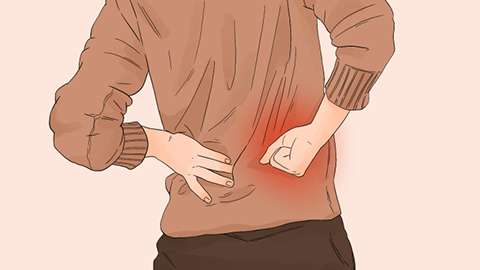
Patients with rheumatic diseases should focus on strengthening their physical constitution and avoiding recurrent infections—particularly those caused by mycoplasma, bacteria, and chlamydia. Daily habits should include regular ventilation, maintaining dry environments, and avoiding cold, damp conditions. Additionally, appropriate exercise and lifestyle modifications are crucial: gentle joint mobility exercises are recommended, while prolonged or intense physical activity that may injure joints should be avoided.

In daily life, patients should maintain positive emotional well-being and avoid mental stress. We hope this information has been helpful to you.