Does sleeping prone cause snoring?
Jun 08, 2022
Source: Cainiu Health

Dr. Zhang Lei
Introduction
Sleeping in the prone position (face down) easily leads to snoring, as it compresses the airway, nose, throat, and even the chest. This compromised breathing can trigger snoring, resulting in hypoxia, headaches, and dizziness upon waking. Moreover, sleeping face down not only causes snoring but also contributes to pain in the lumbar and cervical spine. Since the prone position is a compressive posture, it places pressure on both the cervical and lumbar vertebrae, leading to discomfort or pain.
In daily life, we observe that people today adopt a wide variety of sleeping postures—supine (lying on the back), prone (lying face down), or lateral (lying on the side). So, does sleeping in the prone position cause snoring?
Does sleeping in the prone position cause snoring?
Sleeping face down significantly increases the likelihood of snoring. This posture compresses the airway, nasal passages, pharynx, and even the chest cavity. Such compression impairs normal breathing, leading to snoring, hypoxia, headaches, and dizziness upon waking. Moreover, prone sleeping not only contributes to snoring but may also cause pain in the cervical and lumbar spine. Because this position exerts pressure on the spine, it can compress the cervical and lumbar vertebrae, resulting in discomfort or pain. Additionally, lying face down places pressure on the face, potentially causing facial numbness. Therefore, when feeling drowsy, it is advisable to rest supine (on the back) on a bed.
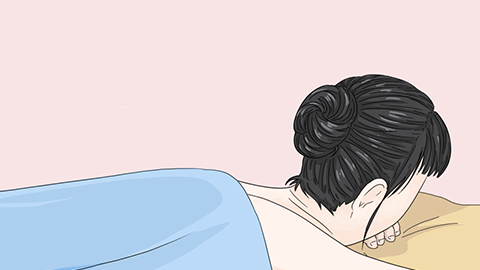
Prone sleeping carries numerous disadvantages. First, it commonly causes discomfort throughout the body. For instance, if the head rests for an extended period on the arms, blood circulation in the arms becomes impaired, and nerve conduction may be disrupted—leading easily to symptoms such as numbness and pain. After prolonged prone sleeping, transient visual blurring may occur upon waking. Thus, prone sleeping is not recommended; it not only induces snoring but also produces significant physical discomfort.
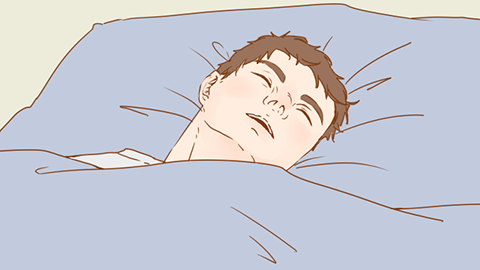
Patients are advised to promptly adjust their sleeping posture—avoiding the prone position and instead opting for supine or lateral sleeping. We hope this information proves helpful.