


How long is hospitalization required for rhinitis surgery?
Jun 08, 2022
Source: Cainiu Health

Dr. Guo Xiheng
Introduction
Nasal surgery for rhinitis typically requires a hospital stay of approximately 7 days. Clinically, “rhinitis surgery” usually refers to surgical treatment for chronic rhinosinusitis, most commonly performed via endoscopic sinus surgery. Hospital admission is generally required; on the day following admission, preoperative preparations are completed, including routine laboratory tests, sinus CT scanning, and electrocardiography (ECG). On the third day, endoscopic sinus surgery is performed under general anesthesia—or, alternatively, partial resection of the inferior turbinate mucosa is carried out under local anesthesia.
When we develop sinusitis in daily life and experience suboptimal response to medical treatment, surgical intervention should be considered. How long does hospitalization last for rhinitis surgery?
Duration of Hospitalization for Rhinitis Surgery
Hospitalization for rhinitis surgery typically lasts approximately seven days. Clinically, “rhinitis surgery” usually refers to surgical management of chronic rhinosinusitis, most commonly performed via endoscopic sinus surgery. Hospital admission is generally required; on the following day, preoperative preparations—including routine laboratory tests, paranasal sinus CT imaging, and electrocardiography—are completed. On the third day, endoscopic sinus surgery is performed under general anesthesia, or partial resection of the inferior turbinate mucosa is carried out under local anesthesia. Postoperatively, bilateral nasal packing—using either petrolatum-impregnated gauze or disposable, absorbable high-molecular-weight hemostatic materials—is applied to achieve hemostasis. Nasal packing is gradually removed around 72 hours postoperatively; after one additional day of observation without significant postoperative bleeding or complications, the patient may be discharged. Follow-up visits are scheduled per the physician’s instructions.
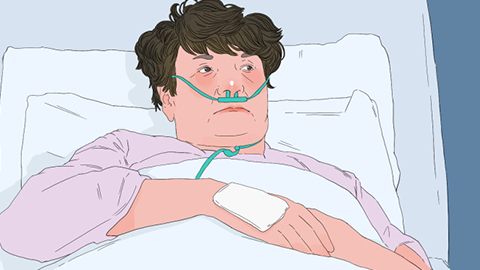
Among common otolaryngological conditions encountered clinically, allergic rhinitis accounts for a relatively high proportion of cases. Also known as allergic rhinitis (or “allergic rhinitis”), it is an immunoglobulin E (IgE)-mediated hypersensitivity disorder characterized by paroxysmal symptoms including nasal pruritus, sneezing, increased nasal discharge, and nasal mucosal swelling. The condition tends to be persistent and may trigger comorbidities such as bronchial asthma, sinusitis, nasal polyps, and otitis media—significantly impairing patients’ physical and mental well-being and quality of life.

After discharge, patients who have undergone rhinitis surgery must attend regular follow-up appointments. Initially, these visits should occur every one to two weeks to assess the nasal cavity for formation of small nasal cysts (e.g., mucoceles) and to perform necessary nasal debridement. We hope this information proves helpful. Wishing you a joyful life and good health!








