


How many days are generally required for hospitalization treatment of otitis media?
Nov 27, 2025
Source: Cainiu Health

Dr. Lu Cheng
Introduction
Under normal circumstances, the hospitalization period for otitis media ranges from 5 to 14 days, depending on the type of otitis media, severity of the condition, and treatment plan. Acute suppurative otitis media typically has a quicker recovery, while chronic cases or those with complications require a longer hospital stay. During hospitalization, patients should cooperate with doctors in treatments such as ear canal cleaning and medication, and avoid cleaning the ears independently.
Generally, the hospitalization period for otitis media ranges from 5 to 14 days, depending on the type of otitis media, severity of the condition, and treatment plan. Acute suppurative otitis media tends to recover faster, while chronic cases or those with complications require a longer hospital stay. A detailed breakdown is as follows:
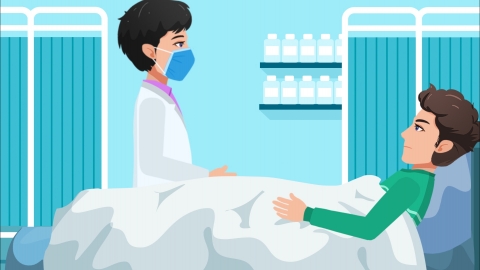
If acute suppurative otitis media has not led to tympanic membrane perforation or complications, treatment during hospitalization primarily includes intravenous anti-inflammatory therapy and ear canal drainage. Patients whose inflammation is rapidly controlled can typically be discharged after 5–7 days. Pediatric patients generally have strong recovery abilities; with timely treatment, most show improvement within this timeframe. However, they must continue medication as prescribed after discharge to consolidate therapeutic effects.
For chronic otitis media, cholesteatoma-type otitis media, or cases complicated by tympanic membrane perforation and hearing loss, surgical intervention is required, extending the hospital stay to 10–14 days. Preoperative evaluations must be completed thoroughly, and postoperative monitoring is necessary to assess wound healing and ensure there are no issues such as infection or bleeding. Discharge is only permitted once the condition stabilizes; in some complex cases, the stay may need to be further extended.
During hospitalization, patients should cooperate with medical staff in treatments such as ear canal cleaning and medication administration, and avoid self-cleaning the ears. After discharge, it is essential to keep the ear canal dry and take protective measures during bathing to prevent contaminated water from entering the ear.



