


Treatment of Sinusitis
Jun 08, 2022
Source: Cainiu Health

Dr. Xu Gang
Introduction
The treatment methods for sinusitis are as follows:
Local intranasal administration: Intranasal application of corticosteroids and decongestants such as oxymetazoline hydrochloride to reduce mucosal swelling and open the sinus ostia.
When administering nasal drops, proper patient positioning is essential. Typically, the patient should lie supine with the head tilted backward and the nostrils facing upward. After instilling the medication, remain in this position for 5–8 minutes before sitting up. Gently clear the residual medication and nasal secretions by blowing the nose or aspirating them into the mouth and spitting them out.
Sinusitis is a common symptom of otolaryngological disorders. Its causes are diverse, often stemming from decreased physical resistance or upper respiratory infections such as the common cold. So, what are the treatment options for paranasal sinusitis?
Treatment Options for Paranasal Sinusitis
The following methods are commonly used to treat paranasal sinusitis:
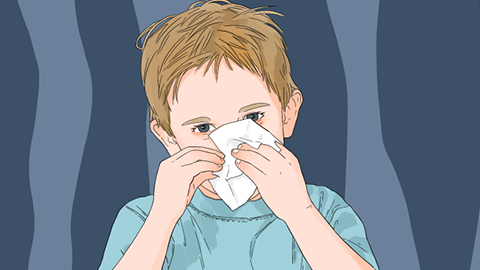
Nasal Local Medication: Corticosteroids and decongestants (e.g., oxymetazoline hydrochloride) are instilled into the nasal cavity to open the sinus ostia. Proper positioning during administration is essential: the patient should lie supine with the head tilted back and the nose pointing upward. After instillation, remain in this position for 5–8 minutes, then sit up and gently clear the medication and nasal secretions—either by gentle nasal blowing or by swallowing and spitting out any fluid that drains into the mouth. Avoid forcefully pinching both nostrils while chewing, as this may force mucus through the Eustachian tube into the middle ear, potentially causing otitis media. Prolonged use of topical decongestants may lead to rebound rhinitis (medication-induced rhinitis); therefore, their use should generally not exceed seven days. In children, drug concentrations must be appropriately reduced. For patients with chronic sinusitis complicated by allergic rhinitis and significant nasal mucosal edema, antiallergic nasal sprays may be prescribed.
Positive-Negative Pressure Sinus Irrigation (Also known as “Sinus Rinse” or “Vacuum Irrigation”): This is a simple and effective method for treating chronic sinusitis. During treatment, the patient lies supine on a therapy table with a small pillow placed beneath the shoulders and the head extended backward. First, normal saline is instilled to induce nasal vasoconstriction and open the sinus ostia. Next, the external olive-shaped tip of the suction catheter is inserted into one nostril while the other nostril is occluded manually. The suction device is then activated, and the patient is instructed to intermittently pronounce the syllable “kai—kai” (“open—open”) to facilitate drainage. Purulent discharge is aspirated from the sinuses, after which antibiotic solution is instilled into the nasal cavity, allowing it to flow into the sinuses.

When suffering from paranasal sinusitis, patients should engage in regular physical exercise to strengthen their constitution and prevent colds. We hope this information proves helpful. Wishing you a joyful life and good health!








