


Difference between hair planting and hair transplantation
Disease description:
I understand there are two methods, "hair planting" and "hair transplantation," but I am unclear about the differences between them and would like to know which method is more suitable for me.
 Doctor's answer (1)
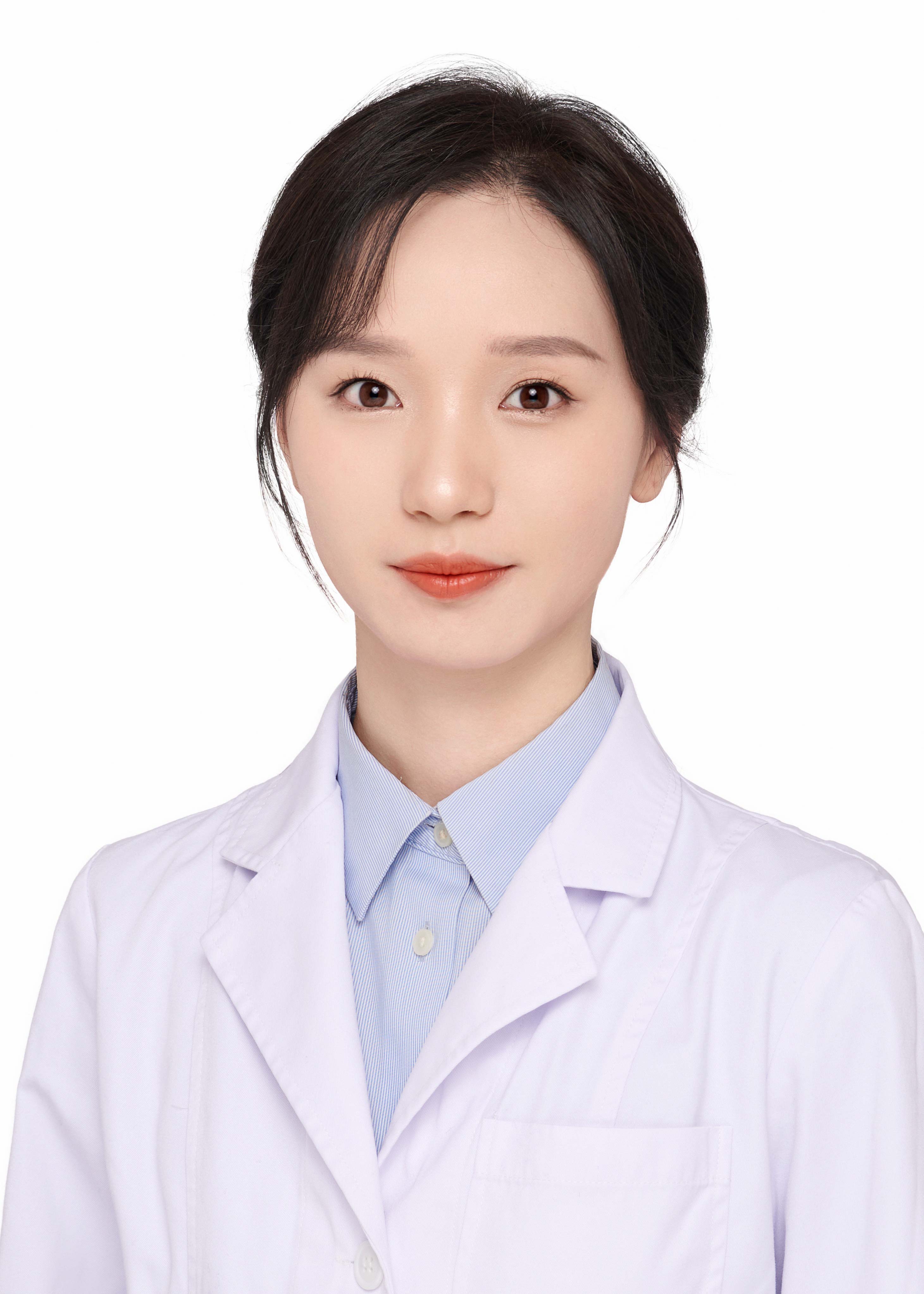
Dr. Chen Lu
Both hair planting and hair transplantation have their own characteristics in the field of hair loss treatment. The differences between the two can be seen from the following aspects:
1. Technical Principle: Hair planting mainly involves removing healthy hair follicles from the donor area and then implanting them into the balding area. This is usually a relatively slow process that requires multiple sessions and relies more on manual operation. Hair transplantation, on the other hand, is a minimally invasive surgical procedure that uses precision instruments to rapidly and extensively extract and transplant healthy follicular units.
2. Postoperative Results and Recovery Time:
The results of hair planting appear natural, but it takes a longer time to observe the outcome, and the recovery period is relatively longer, typically several months to about a year. In contrast, hair transplantation delivers quick and long-lasting results, with a shorter recovery period, generally ranging from several weeks to several months.
3. Price Difference:
Due to its complex process and the need for multiple sessions, hair planting tends to be more expensive. Although the cost of hair transplantation also varies depending on the surgical scope and the number of follicular units, it is generally less expensive than hair planting.
4. Applicable Situations:
Hair planting is suitable for cases of localized thinning or baldness, and requires a high level of surgical precision. Hair transplantation is better suited for extensive hair loss or for patients seeking a quicker improvement in appearance.
Before deciding on a treatment method, it is recommended to consult a professional hair transplant physician for a comprehensive evaluation of the scalp and hair follicles to determine the most suitable hair transplantation plan. Additionally, the doctor will provide personalized recommendations based on individual factors such as the degree of hair loss, scalp condition, and desired outcome.


