


Can staying up late cause “internal heat” (a traditional Chinese medicine concept)?
Jun 09, 2022
Source: Cainiu Health

Dr. He Haochen
Introduction
Staying up late may lead to “internal heat” (a traditional Chinese medicine concept referring to symptoms such as sore throat, acne, or irritability). Late-night activity contradicts the body’s natural circadian rhythm and adversely affects cognition, memory, skin health, vision, and cardiovascular and cerebrovascular function. Excessive sleep deprivation impairs work performance and memory, and may cause neurological dysfunction. It can also alter vascular tone—potentially elevating blood pressure and triggering irritability or anger.
Staying up late is a very common phenomenon. It poses significant harm to our bodies, may trigger numerous diseases, and adversely affects overall health. So, does staying up late cause “internal heat” (a traditional Chinese medicine concept referring to excessive heat in the body)?
Does staying up late cause internal heat?
Yes, staying up late may lead to internal heat. Late-night activity contradicts the body’s natural circadian rhythm and exerts adverse effects on cognition, memory, skin health, vision, and cardiovascular and cerebrovascular function. Chronic sleep deprivation impairs work performance, reduces memory retention, and disrupts nervous system function. It can alter vascular tone—potentially elevating blood pressure—and may even provoke irritability or anger. Skin may become dry, lose elasticity, appear dull, and develop acne, pimples, or hyperpigmented spots. We recommend maintaining a regular daily routine and engaging actively in physical exercise to strengthen overall constitution.
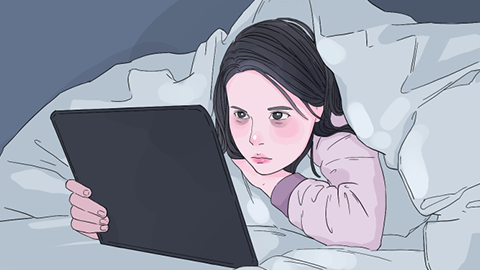
According to Traditional Chinese Medicine (TCM), the human body, like nature itself, is governed by the principles of Yin and Yang: daytime corresponds to Yang energy, while nighttime corresponds to Yin energy. Falling asleep represents the transition of Yang into Yin. Consequently, prolonged late-night activity easily depletes Yin energy. Since Yin and Yang are interdependent and mutually restraining, Yin deficiency leads to relative Yang excess—a condition known as “deficient fire.” Patients commonly present with symptoms such as low-grade fever, thirst, restlessness and insomnia at night, and a sensation of dryness and heat in the body. Under professional medical guidance, herbal remedies that nourish Yin, clear heat, and drain fire may be prescribed.
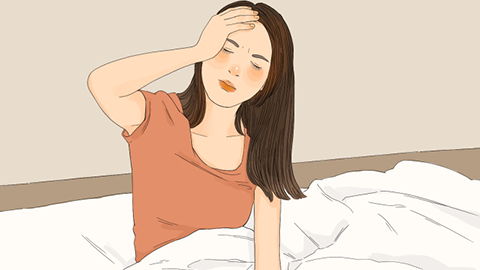
We advise patients not only to adjust their daily routines but also to consult qualified TCM practitioners for appropriate herbal treatment. We hope this response has been helpful to you.








