Can frequent late-night sleeping cause headaches?
Jun 09, 2022
Source: Cainiu Health

Dr. Pan Yongyuan
Introduction
Staying up late may trigger headaches. In particular, frequent sleep deprivation prevents the brain and body from obtaining adequate rest, leading to excessive fatigue in both the brain and body, which can result in neurological dysfunction and headaches. Sleep deprivation may also contribute to hypertension and headaches. In addition to headaches, staying up late can cause memory impairment, physical fatigue, and slowed reaction times—thereby adversely affecting daily life and work performance.
Many people face immense pressure from daily life and work. To earn more money, they often have to work overtime and attend social engagements, inevitably leading to late-night activities. Staying up late poses serious risks to physical health, and many individuals experience headaches afterward—often feeling particularly uncomfortable. So, can frequent late-night activity cause headaches?
Can frequent late-night activity cause headaches?
Staying up late may trigger headaches in patients. In particular, chronic sleep deprivation prevents the brain and body from obtaining adequate rest, resulting in excessive fatigue of both the brain and the body. This can lead to dysfunction of the central nervous system and subsequent headaches. Late-night activity may also contribute to hypertension and associated headaches. Beyond headaches, it can cause memory impairment, physical exhaustion, and slowed reaction times—all of which negatively impact daily life and work performance.
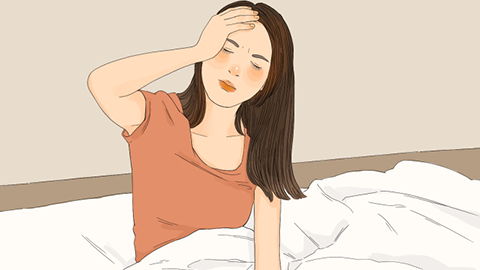
Frequent late-night activity can provoke headache episodes in patients. Chronic sleep deprivation may elevate blood pressure, potentially causing cerebral hyperemia (excessive blood flow to the brain), manifesting as headache, dizziness, nausea, and vomiting. Additionally, habitual late-night activity may contribute to cervical spondylosis, which itself can cause headaches—typically presenting as a dull, throbbing sensation or swelling at the back of the head, sometimes accompanied by dizziness. Furthermore, frequent late-night activity may trigger primary migraines, characterized by recurrent, unilateral, pulsating headaches.
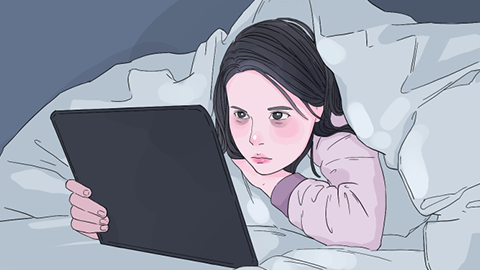
Patients are advised to avoid staying up late whenever possible, maintain regular work and rest schedules, prevent circadian rhythm disruption, and ensure sufficient sleep each day to safeguard their health. We hope this information proves helpful to you.