


Can staying up late cause menstrual delay?
Jun 09, 2022
Source: Cainiu Health

Dr. Lv Aiming
Introduction
Staying up late for prolonged periods can delay menstruation. Chronic sleep deprivation in women may disrupt ovarian endocrine function, impair normal ovulation, and lead to delayed ovulation; in severe cases, it may even result in chronic anovulation. Consequently, this can cause menstrual delay or amenorrhea. Additionally, prolonged late-night activity may weaken the immune system, deteriorate skin condition, cause emotional instability, and lead to irregular eating habits.
With advances in technology, staying up late has become virtually standard practice among young people—some do so for work, but more often it’s for leisure and entertainment. So, can staying up late cause menstrual delay?
Can staying up late cause menstrual delay?
Chronic sleep deprivation can indeed delay menstruation. Prolonged late-night activity disrupts ovarian endocrine function in women, impairing normal ovulation and causing delayed ovulation; in severe cases, it may even lead to chronic anovulation. Consequently, this may result in menstrual delay or amenorrhea. Additionally, long-term sleep deprivation weakens immune function, deteriorates skin condition, causes emotional instability, and leads to irregular eating habits—all of which can negatively affect the menstrual cycle. Therefore, women are advised to avoid prolonged late-night activity and maintain regular, adequate rest. If sexual intercourse occurred during this period and menstruation is delayed, a visit to the hospital for hormonal testing is recommended to rule out pregnancy as a cause of the delay, followed by appropriate menstrual regulation treatment.
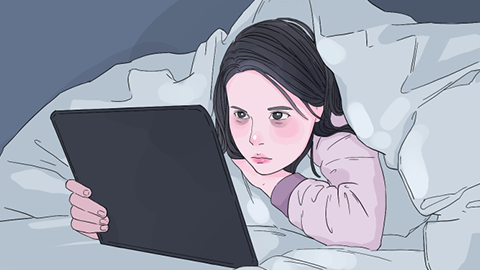
During menstruation, prioritize rest and maintain healthy lifestyle habits, ensuring sufficient sleep. Undergo systematic and standardized reproductive health evaluations—including assessment of female hormone levels, endometrial growth, and follicular development via ultrasound. Ensure balanced nutrition by consuming foods rich in protein, vitamins, and minerals, which support healthy hormone secretion and normal follicular and endometrial development. Incorporate moderate physical exercise into your routine and adopt a consistent early-to-bed, early-to-rise schedule.

Menstrual delay is detrimental to overall health; patients are strongly advised to avoid staying up late. We hope this information proves helpful to you.








