


Why Do I Drool While Sleeping After Becoming Pregnant?
Jun 09, 2022
Source: Cainiu Health

Dr. Li Qi
Introduction
Causes of increased salivation (ptyalism) during pregnancy include oral hygiene, hormonal changes, and uterine enlargement.
1. It may be related to oral hygiene. Poor oral hygiene, combined with decreased immunity during pregnancy, can facilitate bacterial proliferation and oral diseases, thereby stimulating the salivary glands and increasing saliva production.
2. It may be associated with hormonal fluctuations.
In daily life, drooling is commonly observed in children and the elderly; however, it may also occur in middle-aged adults during sleep or under certain special circumstances. In such cases, it is important to self-assess, as drooling could signal underlying health conditions. So, what causes drooling during sleep after becoming pregnant?
Why do women drool during sleep after becoming pregnant?
Drooling during pregnancy may result from factors including oral hygiene, hormonal fluctuations, and uterine enlargement.
1. It may be related to oral hygiene. Poor oral hygiene combined with reduced immunity during pregnancy can promote bacterial proliferation and oral diseases, thereby stimulating the salivary glands and increasing saliva production.
2. It may be associated with hormonal changes. During pregnancy, women experience significant shifts in hormone levels—particularly elevated estrogen and progesterone. To maintain homeostasis, various bodily systems undergo corresponding adjustments, which may lead to drooling during sleep. This phenomenon is entirely normal, and expectant mothers need not be overly concerned.
3. It may be linked to uterine enlargement. As the uterus expands progressively, it may compress the stomach, reducing lower esophageal sphincter tone and causing gastroesophageal reflux. Refluxed gastric acid can irritate the pharynx and oral cavity, triggering increased salivation.
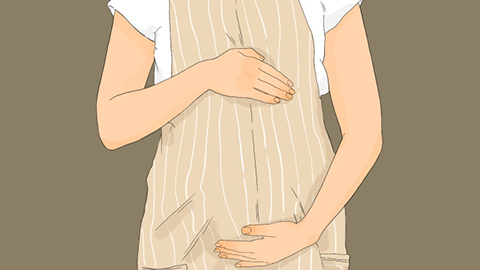
Physicians suggest that drooling may be associated with spleen-stomach deficiency. During pregnancy, lowered immunity predisposes women to gastrointestinal dysfunction, making symptoms of spleen-stomach imbalance more pronounced. Therefore, dietary modifications or specific supplements may help regulate spleen-stomach function. Additionally, irregular eating habits and excessive workloads may contribute to this issue. Poor sleep posture and habits can also cause drooling. Thus, when pregnant women experience this symptom, they should first improve gastrointestinal health and then adjust their sleeping position according to individual circumstances to gradually alleviate the condition.

Pregnant women should remain vigilant and seek timely medical evaluation and treatment if any concerning symptoms arise. We hope this information proves helpful to you.







