


Will staying up late delay menstruation?
Jun 09, 2022
Source: Cainiu Health

Dr. Chen Zhe
Introduction
Staying up late may delay menstruation. Women’s menstrual cycles are highly susceptible to various factors, such as sleep deprivation. Irregular work and rest schedules, emotional fluctuations, excessive workloads, and even changes in weather can all lead to menstrual irregularities. Of course, there are numerous potential causes of delayed menstruation—including gynecological disorders. The most common include polycystic ovary syndrome (PCOS), hyperprolactinemia, and diminished ovarian reserve.
We know that menstruation is often one of the key indicators of a woman’s overall health. Abnormal menstrual volume—whether too heavy or too light—as well as delayed or premature periods, are all signs of potential imbalance. So, can staying up late delay menstruation?
Can staying up late delay menstruation?
Yes, staying up late may cause menstrual delay. A woman’s menstrual cycle is highly susceptible to various external and internal factors—including sleep deprivation. Irregular work and rest schedules, emotional fluctuations, excessive physical or mental stress, and even changes in weather can all disrupt normal menstrual function. Of course, there are many possible causes of menstrual delay, including gynecological disorders. The most common include polycystic ovary syndrome (PCOS), hyperprolactinemia, and diminished ovarian reserve. Therefore, if your period is delayed, the first step is to adopt a healthy lifestyle: avoid late-night work, manage emotional stress, and prioritize rest. If the delay persists, it is advisable to consult a healthcare provider for relevant diagnostic tests—such as thyroid function blood tests, sex hormone panel (six-item hormonal assay), and pelvic ultrasound—to identify the underlying cause and initiate targeted treatment.
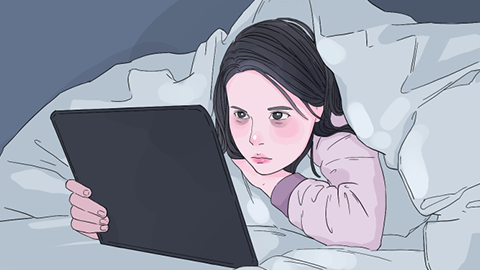
Treatment approaches for menstrual delay include: 1. Prioritizing adequate rest, maintaining a healthy lifestyle, and ensuring sufficient, high-quality sleep. 2. Conducting systematic and standardized evaluations of the reproductive system—including assessment of female hormone levels, endometrial thickness, and follicular development via ultrasound. 3. Ensuring balanced nutrition—consuming foods rich in protein, vitamins, and minerals—which supports optimal hormone secretion and normal development of follicles and the endometrium. 4. Incorporating appropriate physical activity. In cases where menstrual irregularity stems from chronic sleep deprivation leading to endocrine disruption and measurable hormonal imbalances, pharmacologic intervention—such as hormonal therapy to regulate the artificial menstrual cycle—may be necessary. However, in the vast majority of cases, simply modifying lifestyle habits—ensuring eight hours of sleep per night, avoiding late nights, and maintaining a relaxed, positive mindset—can restore regularity.

Women with good general health and adequate nutritional status typically resume normal menstrual cycles relatively quickly. We hope this information has been helpful to you.








