


What should I do if I have myopia, presbyopia, and astigmatism?
Jun 29, 2022
Source: Cainiu Health

Dr. Chen You
Introduction
Astigmatism can be corrected using cylindrical eyeglasses or contact lenses. Most cases of astigmatism are irregular; however, depending on the type and severity, plano (non-powered) lenses may be prescribed. Hyperopic astigmatism requires convex lenses, whereas myopic astigmatism requires concave lenses. Prior to prescribing corrective lenses, a comprehensive refraction examination is essential; for adolescents and children, cycloplegic refraction is recommended.
Astigmatism and myopia are common types of refractive errors. Mild astigmatism and myopia have minimal impact on vision; however, without proper correction and management, the condition may progressively worsen—potentially developing into moderate or high astigmatism and myopia. This not only impairs visual acuity but also adversely affects daily life and work performance. So, what should be done when a person has concurrent myopia, presbyopia, and astigmatism?
Management of Concurrent Myopia, Presbyopia, and Astigmatism
Astigmatism can be alleviated through corrective measures such as wearing cylindrical spectacles or contact lenses. Most cases of astigmatism are irregular; however, depending on the type and severity, standard spectacle lenses may still be suitable. Hyperopic astigmatism requires convex lenses, whereas myopic astigmatism necessitates concave lenses. Prior to prescribing corrective lenses, a comprehensive refraction examination is essential. Children and adolescents should undergo cycloplegic refraction to accurately determine the true nature and degree of astigmatism. Only with precise diagnostic data can appropriately prescribed corrective lenses be fitted, thereby achieving optimal visual correction. In cases of irregular astigmatism—which cannot be adequately corrected with conventional lenses—rigid gas-permeable (RGP) or specialized soft contact lenses may be recommended.
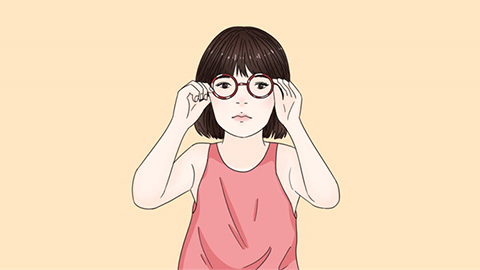
Myopia can be managed by correcting poor visual habits and wearing appropriate myopic corrective lenses. In cases of mild pseudo-myopia, improvement may be achieved simply by modifying unhealthy visual behaviors—for example, maintaining an appropriate reading distance when viewing books or newspapers, avoiding prolonged screen time (e.g., smartphones or television), and certainly refraining from watching TV while lying down. Correcting these detrimental habits helps reduce ocular fatigue and retinal strain, thereby contributing to symptom improvement. When blurred distance vision occurs due to myopia, corrective spectacles may be prescribed. However, before lens fitting, a thorough refraction examination must be performed to precisely assess the degree and nature of myopia, ensuring optimal lens prescription.
Patients are advised to protect their eyes diligently—minimizing visual fatigue, avoiding late-night activities, and preventing excessive eye strain. We hope this information proves helpful to you.




