


What should I do if I have 1200-degree myopia?
Jun 29, 2022
Source: Cainiu Health

Dr. Chen You
Introduction
Myopia of −12.00 diopters can be corrected with eyeglasses or contact lenses. Surgical options are also available, primarily laser refractive surgery and intraocular lens (IOL) implantation. The most appropriate surgical treatment plan will be determined following a comprehensive ophthalmic examination. Myopia of −12.00 D is classified as high myopia. In highly myopic eyes, excessive elongation of the eyeball may lead to structural changes in the retina and choroid.
People often say that the eyes are the windows to the soul—through them, we behold all the beauty in the world. Glasses-wearers are ubiquitous on city streets, and many wear thick lenses daily. Over time, this can significantly affect one’s appearance and impose considerable inconvenience and limitations on daily life and physical activities. So, what should be done for myopia of −12.00 diopters (D)?
What to Do for −12.00 D Myopia
Myopia of −12.00 D can be corrected with spectacles or contact lenses. Surgical options are also available, primarily laser refractive surgery and intraocular lens (IOL) implantation. The optimal surgical approach is determined following a comprehensive ophthalmic examination. Myopia of −12.00 D is classified as high myopia. In such cases, excessive elongation of the eyeball may lead to structural changes in the fundus. Vigorous physical activity carries an elevated risk of retinal detachment and retinal tears; therefore, patients should avoid strenuous activities and seek prompt medical attention if symptoms arise.
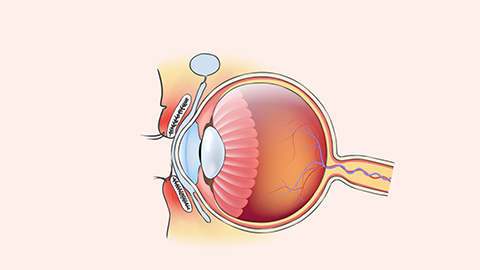
−12.00 D myopia falls into the category of extreme (or pathological) high myopia and poses significant risks. Beyond reduced visual acuity, high myopia is associated with characteristic fundus changes and various pathological manifestations—including poor night vision, floaters, and more. Ophthalmoscopic examination typically reveals hallmark features of high myopia, such as proptosis (bulging eyes), posterior scleral staphyloma, vitreous opacities, vitreous liquefaction, chorioretinal atrophy, retinal pigmentary disturbances, and optic disc atrophy.
In daily life, patients are encouraged to maintain a positive mindset and actively cooperate with their ophthalmologists during treatment. Strict adherence to prescribed medications—both in dosage and timing—is essential, along with diligent self-care, to facilitate timely improvement of the condition.




