


Can astigmatism be cured?
Jun 29, 2022
Source: Cainiu Health

Dr. Chen You
Introduction
Astigmatism can be corrected. Upon detection of astigmatism, it is essential to visit a hospital to have the degree of astigmatism measured, followed by appropriate treatment based on the measured severity. If astigmatism exceeds 100 degrees, correction may be achieved with either eyeglasses or contact lenses. However, contact lens wear is generally not recommended for correction, as prolonged use may cause certain harm to the eyes.
Astigmatism is, in fact, a very common condition—nearly everyone has up to 100 degrees of astigmatism, which typically requires no treatment. However, high astigmatism warrants medical intervention, as it can cause eye strain; some individuals even experience headaches after reading for extended periods. So, can astigmatism be cured?
Can Astigmatism Be Cured?
Yes, astigmatism can be effectively treated and corrected. Upon detection, patients should visit a hospital to have their degree of astigmatism measured precisely, followed by appropriate, individualized treatment based on the severity. If astigmatism exceeds 100 degrees, corrective options include wearing eyeglasses or contact lenses. However, contact lens correction is generally not recommended for long-term use, as prolonged wear may cause certain ocular complications. For astigmatism greater than 150 degrees, surgical interventions such as intraocular lens implantation, corneal laser surgery (e.g., LASIK or SMILE), or non-corneal laser procedures may be considered. These treatments can significantly improve astigmatism. With timely and proactive corrective management, most patients achieve satisfactory visual outcomes.
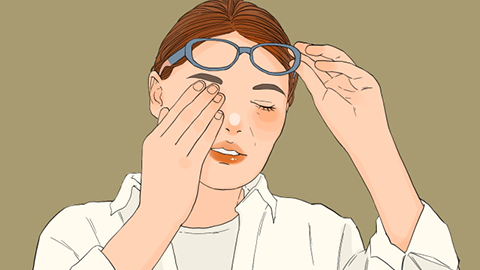
Patients with astigmatism should avoid excessive eye strain. Maintain proper posture while reading or working, and adjust your visual habits accordingly. Incorporating more eye-protective foods into your daily diet can also support ocular health. Additionally, regular ophthalmologic examinations are essential. In daily life, minimize screen time—especially on electronic devices—and avoid using smartphones or reading in dimly lit or dark environments, as these practices significantly increase the risk of eye fatigue.
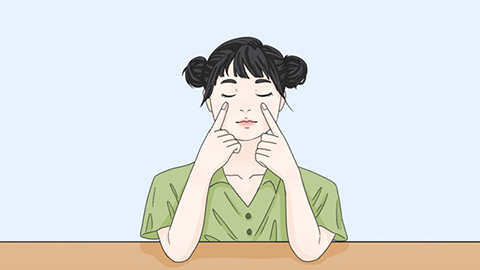
Therefore, once astigmatism is diagnosed, prompt consultation with an ophthalmologist and selection of an appropriate treatment plan is strongly advised. We hope this information proves helpful to you.


