


Can orthokeratology lenses correct astigmatism?
Jun 29, 2022
Source: Cainiu Health

Dr. Chen You
Introduction
Corneal reshaping lenses (orthokeratology lenses) can treat and correct astigmatism. Generally, they are more effective for mild to moderate astigmatism but less effective for high astigmatism. Wearing corneal reshaping lenses overnight compresses and reshapes the corneal tissue, thereby altering the cornea’s refractive state to correct and treat both myopia and astigmatism. Additionally, wearing orthokeratology lenses eliminates peripheral defocus.
In daily life, many adolescents develop myopia due to poor eye hygiene or unhealthy visual habits—conditions that significantly impact ocular health and require treatment. Orthokeratology (ortho-k) lenses are one such treatment option. But can ortho-k lenses correct astigmatism?
Can Orthokeratology Lenses Correct Astigmatism?
Orthokeratology lenses can both correct and treat astigmatism. Generally, they yield good correction results for mild-to-moderate astigmatism, but their efficacy is comparatively limited for high astigmatism. Worn overnight, ortho-k lenses gently reshape the corneal tissue, thereby altering the cornea’s refractive state to correct and manage both myopia and astigmatism. Additionally, wearing ortho-k lenses eliminates peripheral defocus, helping to control and slow the progression of myopia.
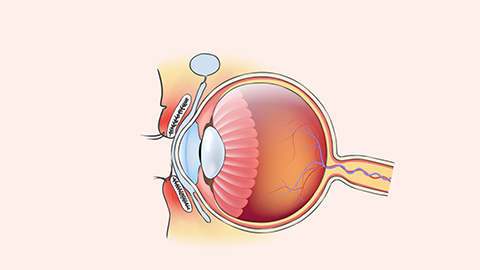
In cases of irregular astigmatism, conventional spectacle lenses may be unsuitable; however, appropriately fitted ortho-k lenses can often provide effective correction. Even with ortho-k lens wear, patients should undergo regular ophthalmic examinations to monitor corneal health and detect any signs of inflammation or infection. Maintaining good ocular habits and hygiene remains essential.
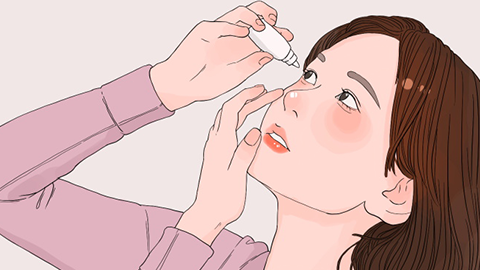
In daily life, patients should maintain a positive mindset, actively cooperate with their physicians during treatment, adhere strictly to prescribed medication regimens (dosage and timing), and diligently follow routine eye care practices—thus facilitating prompt improvement in their condition. We hope this response has been helpful.



