


How to Protect Your Eyes with High Astigmatism
Jun 29, 2022
Source: Cainiu Health

Dr. Chen You
Introduction
High astigmatism can be mitigated through appropriate lighting and frequent eye relaxation. When students study in classrooms, the ratio of window glazing area to floor area should not be less than 1:6. Additionally, no tall obstructions should block the windows, and the blackboard must remain matte (non-reflective) to prevent direct glare and reflected glare. Classroom lighting fixtures should not be installed too low—minimum mounting height is 1.7 meters—to avoid causing glare.
In recent years, myopia has become increasingly prevalent, largely due to the growing use of electronic devices. Individuals with myopia experience significant blurriness when viewing nearby objects, which can greatly affect their daily work and academic performance. So, how should individuals with high astigmatism protect their eyes?
How to Protect Your Eyes When Astigmatism Is Severe
Individuals with high astigmatism can protect their eyes through appropriate lighting and frequent eye relaxation. In classrooms, the ratio of window glazing area to floor area should be no less than 1:6. Additionally, tall obstructions outside windows must be avoided; blackboards should remain matte (non-reflective) to prevent direct glare and reflected glare. Classroom lighting fixtures should not be installed too low—ideally, they should be positioned at least 1.7 meters above the floor to minimize glare. Desks and chairs must conform to ergonomic principles, and students should maintain correct posture while seated. Prolonged sitting in one position should be avoided, as it may lead to visual fatigue.
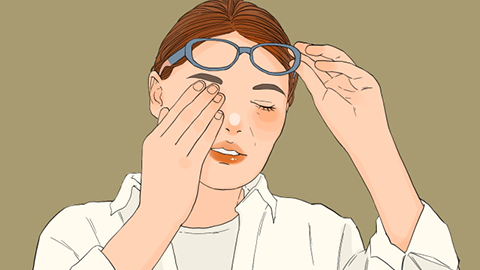
Enhance brightness contrast—i.e., increase the luminance of printed materials and the darkness (contrast) of text. If paper is not white or text is not black, brightness contrast decreases, making reading more difficult. Excessive visual strain under such conditions may accelerate myopia progression. Limit near-vision tasks: ideally, continuous close-up work should not exceed 40 minutes, followed by a few minutes’ rest before resuming. Maintain an appropriate reading distance—avoid reading while walking or riding, as unstable text positioning easily induces ocular tension and contributes to myopia development. School-aged children and adolescents should engage in extracurricular physical activities to relax both body and mind, thereby preventing pseudo-myopia. Regular vision examinations are also essential.
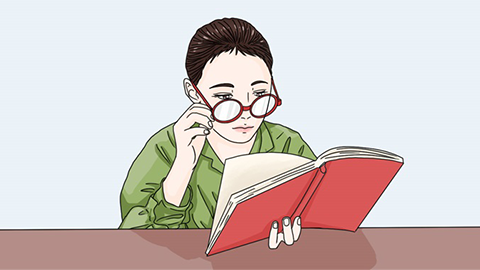
Dietary recommendations include consuming calcium-rich foods, which help strengthen the sclera and thus slow myopia progression. Finally, minimize unnecessary eye strain, avoid excessive eye closure, and maintain proper eye posture. We hope this information proves helpful to you.



