


How long does astigmatism treatment take?
Jun 29, 2022
Source: Cainiu Health

Dr. Chen You
Introduction
Astigmatism correction is typically lifelong, as the degree of astigmatism does not resolve spontaneously after onset, nor can vision revert to a state without astigmatism. Without correction, astigmatism tends to progressively worsen. Therefore, correcting astigmatism is not a temporary measure but requires lifelong management. If left uncorrected, the refractive error will increase rapidly.
Astigmatism is caused by abnormal curvature of the refractive surfaces of the eye. Once it develops, astigmatism can lead to symptoms such as decreased vision, visual fatigue, headache, and eye pain. Without timely treatment, the condition may progressively worsen, resulting in more severe complications—including potential blindness. So, how long does astigmatism treatment take?
How Long Does Astigmatism Treatment Take?
Correction of astigmatism is typically lifelong, as the degree of astigmatism does not spontaneously resolve after onset, nor can it revert to a state of zero astigmatism. Without correction, the degree of astigmatism tends to increase over time. Therefore, correction is not a temporary measure but rather a lifelong necessity. Failure to correct astigmatism leads to rapid progression in severity, increasing the risk of high astigmatism. This, in turn, impairs visual acuity and overall visual function, predisposes individuals to visual fatigue, and raises the risk of amblyopia.
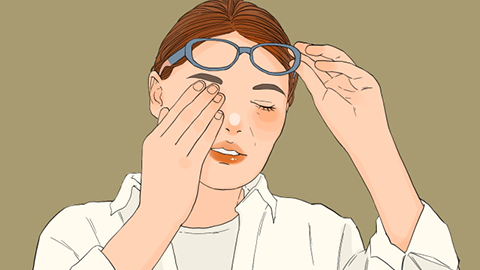
The primary methods for correcting astigmatism are orthokeratology (corneal reshaping) lenses and spectacles—both well-established and widely used approaches. With these interventions, astigmatism progression can be effectively alleviated or controlled, and its degree stabilized, without significant deterioration in visual acuity. In daily life, it is essential to cultivate healthy eye habits and maintain good ocular hygiene: avoid prolonged screen time on smartphones or computers, ensure adequate rest, and refrain from chronic sleep deprivation.
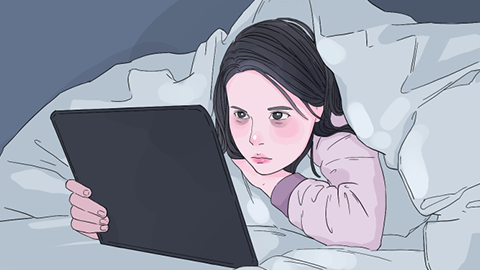
During treatment, patients should avoid excessive eye strain, consume light and bland foods, and steer clear of spicy or irritating foods. We hope this information proves helpful to you.




